How to prevent and treat calf myocarditis with myocardial and skeletal muscle degeneration, necrosis and discoloration?
Calf metabolic disease - selenium deficiency, characterized by degeneration and necrosis of the myocardium and skeletal muscle. Because the affected muscles of calves become discolored, appearing like boiled meat or fish meat, it is also called white muscle disease. This disease is caused by a lack of the element selenium in the feed, and occurs most frequently in calves aged 1-3 months.
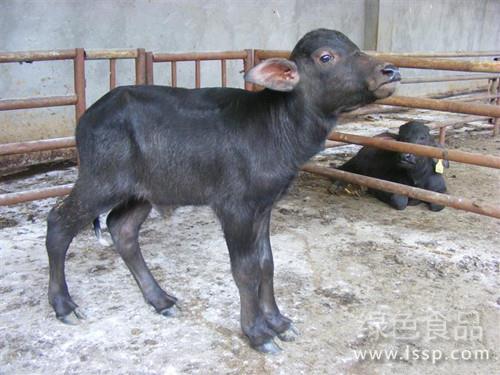
Calf
(1) Causes. (i) Primary: too little selenium content in soil and forage. (ii) Secondary: when the sulfide content in the soil is too high (mostly caused by sulfur fertilizer) or when forage with too high a sulfate content is ingested, because selenium reacts with sulfur, the absorption and utilization of selenium in the feed by calves is reduced, thus leading to selenium deficiency. (iii) In addition, stress factors such as sudden weather changes can also induce myocarditis.
Symptoms. (i) Acute type: mostly occurs in calves aged 10-120 days, with sudden onset, hyperactive heartbeat, irregular rhythm, ataxia, and death from heart failure within a short time. (ii) Subacute type: the sick calf is depressed, moves slowly, has a stiff back and loin, sways in the hindquarters, and in the later stage lies down and cannot stand. The buttocks are swollen and hard to the touch, breathing is accelerated, and the pulse rate increases to more than 120 beats/min, with arrhythmia appearing, and death occurs within 6-12 hours after onset. (iii) Chronic type: the sick calf's development is stunted, with indigestion-related diarrhea, emaciation, rough and lusterless coat, curved spine, general weakness, and a preference for lying down and reluctance to stand. In mild calves, recovery can be expected if treatment is given in time. Occasionally secondary diseases such as foreign body pneumonia or enteritis occur.
(2) Course and prognosis. In calves with acute selenium deficiency, onset is rapid, death is quick, and the mortality rate is relatively high; in the subacute type, the course is mostly 1-2 weeks; the chronic type is longer. Except for the acute type, as long as diagnosis is made early and reasonable treatment is given, the cure rate is high and the prognosis is good.
(3) Prevention and treatment. (i) For cattle with selenium deficiency, under the premise of improving feeding management (such as restricting activity, keeping the barn warm, and avoiding stress factors), etiological and symptomatic treatment should be carried out, such as intramuscular injection of sodium selenite solution at 0.1 mg/kg body weight or oral administration of sodium selenite solution at 10 mg/50 kg body weight, repeated after an interval of 2-3 days, and vitamin E preparations may also be used in combination. (ii) For chronic cases, antibiotics or sulfonamide drugs are used to reduce inflammation, and hormone therapy and drugs that nourish the myocardium should not be used in combination, especially concentrated sugar, vitamin C, and Danshen solution to buffer myocardial inflammation. (iii) To prevent this disease, selenium supplementation is usually required, often by oral administration of selenium salt; newborn calves should be given subcutaneous injection of sodium selenite solution (3-5 mg) and vitamin E (50-150 mg), and injected once more after an interval of 2 weeks.
(4) Precautions. (i) In the early stage of the disease, cardiotonic agents should not be used, to prevent cardiac nerve excitation, accelerate heart failure, and cause death; only when chronic heart failure appears may an appropriate amount of sodium camphorsulfonate or caffeine sodium benzoate be used, but digitalis preparations are contraindicated. (ii) Strengthen nursing care of sick calves, and strictly avoid exercise and stimulation.