Prevention and treatment methods for infectious gastroenteritis in dairy cows with diarrhea, dehydration and rapid weight loss
During the coldest days of winter, daily dairy cow management faces the challenge of infectious and frequently occurring diseases in winter and spring, especially infectious gastroenteritis, which is highly contagious and causes great harm. Therefore, dairy farms (households) are reminded to observe the feeding and exercise conditions of dairy cows, carry out prevention and control in advance, and avoid losses as much as possible.
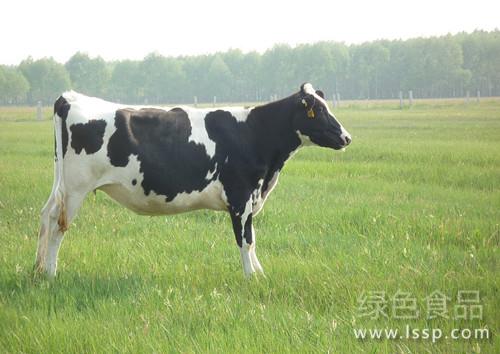
Dairy cows
Infectious gastroenteritis in dairy cows, also known as epidemic diarrhea, is highly contagious through contact and occurs in explosive epidemics in winter and spring (from November to April of the following year). Causes: sudden weather changes, large temperature fluctuations, sudden feed changes, and feeding moldy, deteriorated or frozen feed can all cause infectious gastroenteritis in dairy cows.
Symptoms: diarrhea; sick cows pass loose stools, sometimes spraying out watery stool containing large amounts of gas bubbles; in long-term cases, blood clots are present in the loose manure. Generally, appetite and spirit show no obvious changes, and body temperature, respiration and heartbeat are all normal, while auscultation reveals increased gastrointestinal sounds. In acute cases, appetite decreases; the cow eats a little alfalfa hay and carrots, or even stops eating entirely; the spirit is depressed, the eyes are dull, the sick cow prefers to lie down, shows slight dehydration symptoms, and loses weight very quickly; some show abdominal pain and hunching, and milk production drops sharply.
Treatment methods:
First, check and adjust the forage, drinking water, etc., remove the causative factors, and strengthen nursing care.
Second, promptly give symptomatic treatment to clinically severe sick cows. 1. When the feces are watery, sulfaguanidine powder and sodium bicarbonate powder, 50 grams each, can be administered by oral drench at one time, twice a day; or 2% mequindox 10 ml x 7 vials, given by intramuscular injection at one time, twice a day. Used continuously for 3—5 days, recovery can be achieved. Tannalbin tablets 0.3 g x 200 tablets, administered by oral drench at one time, 2—3 times a day, or 0.05% potassium permanganate solution 2—3 liters, administered by oral drench at one time, twice a day for 3 consecutive days, also gives good results. 2. For sick cows with obvious dehydration and poor appetite, glucose saline 2—3 liters combined with 10% calcium gluconate 500 ml can be given by intravenous injection at one time to relieve the condition and improve appetite. 3. For sick cows whose feces are porridge-like, generally no treatment is needed, and they recover on their own after 1—2 days.
Third, prevention must be done well. In short, pay attention to cold protection and warmth preservation, and reduce stress factors. Feed changes should be made gradually, with a 7—10 day transition period. Do not feed deteriorated, frozen or moldy feed; rationally formulate the daily ration to enhance the cows' own resistance. Strengthen epidemic prevention and disinfection systems; outsiders must not enter the production area at will; the cowshed and exercise yard should be regularly disinfected with 2% caustic soda solution. Sick cows should be isolated and treated promptly to prevent and control contagion; veterinarians and inseminators must strictly carry out disinfection procedures.