Sheep streptococcosis strikes frequently in winter and spring: how to prevent and treat eyelid swelling, teeth grinding and convulsions before death
In recent years, as the number of sheep raised has increased and stocking density has risen, the incidence of sheep streptococcosis has shown an upward trend, causing large losses. The disease occurs mainly in winter and spring, from January to April of the following year, and is more common in sheep aged 3 to 8 months. When sheep immunity declines, internal and external parasites attack, or the climate and environment change, it is more likely to be triggered.
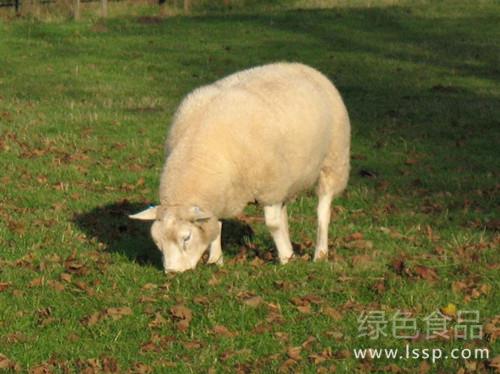
Sheep
1. Epidemic characteristics:
Sheep streptococcosis is an acute, febrile, septic infectious disease caused by hemolytic streptococcus, accompanied by symptoms such as organ bleeding, pneumonia, gallbladder enlargement, and swelling of the submandibular lymph nodes and throat; some cases show joint swelling, lameness or inability to stand, and rapid weight loss. Among sheep flocks, sheep are the most susceptible, followed by goats. In winter and spring, especially during cold weather, deaths increase. New outbreak areas are highly dangerous, while old epidemic areas show sporadic cases. Streptococcosis is transmitted through the respiratory tract and skin wounds, with an incidence of 15 to 30% and a mortality rate of 60 to 80%.
2. Clinical manifestations:
Chronic type: body temperature 41°C to 41.5°C; at the beginning of the disease, the animal is depressed, appetite decreases, rumination stops, conjunctiva becomes congested, and purulent discharge appears. Main features: swelling of the throat, difficulty breathing, soft feces with mucus or blood, abortion in pregnant sheep, and sometimes swelling of the eyelids, cheeks and udder in affected sheep. Before death, teeth grinding, convulsions, and death by suffocation. Acute type: affected sheep have difficulty breathing; if not treated promptly, they die after 2 to 3 d. Peracute type: death occurs relatively quickly, accompanied by neurological symptoms, generally about 1 d after onset.
3. Prevention and treatment:
Isolate affected sheep and suspected affected sheep. Treat early, choosing penicillin, amoxicillin, sulfonamides and other drugs.
Streptococcus is widely distributed in nature and is a common bacterium in animals' bodies, generally not causing disease. When the environment is harsh or other diseases are present, animal immunity declines and disease is triggered. Sheep streptococcus can co-infect with many sheep diseases such as sheep pox, sheep enterotoxemia, contagious caprine pleuropneumonia, sheep pasteurellosis, and piroplasmosis. With mixed infection, diagnosis is more difficult and mortality increases.
Usually, feeding management should be strengthened to enhance sheep resistance, reduce external stress, and reduce the occurrence of this disease. Strengthen daily disinfection, improve the environmental hygiene of sheep sheds, keep pens clean, dry and ventilated, often remove manure, and keep the ground clean. Formulate a scientific and reasonable immunization program, and carry out vaccination work well for goat pox, foot-and-mouth disease, sheep triple vaccine and quadruple prevention vaccine, contagious caprine pleuropneumonia and other vaccines to reduce mixed infections.