What to do when cattle have slowed rumination and pass black feces? Prevention and treatment methods for ruminal atony
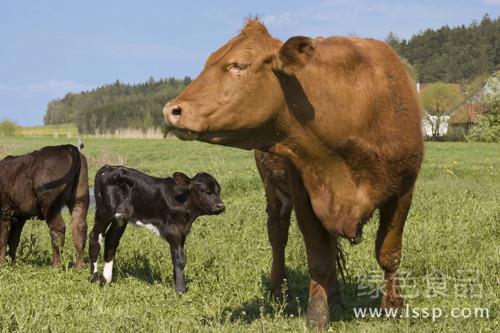
Cattle
1 Etiology: Primary ruminal atony is mainly caused by improper feeding and management. For example, long-term feeding of coarse, poor-quality, hard-to-digest feed with insufficient drinking water; or long-term feeding of finely crushed, soft feed that cannot stimulate the forestomach; sudden changes in forage that the forestomach cannot adapt to; cold, damp, and overcrowded cattle sheds; poor environmental hygiene; overwork or lack of exercise and insufficient light, which reduce nervous reactivity and leave the digestive tract in a state of atony.
2 Clinical symptoms: In acute ruminal atony, the sick cattle have reduced appetite and thirst, and rumination decreases and becomes slow; rumen motility sounds weaken, but the frequency is normal or reduced. If treatment is not timely or appropriate, it easily becomes chronic. In chronic ruminal atony, the sick cattle are depressed, and the rumen does not feel hard on palpation. In the early stage, the sick cattle pass feces infrequently; the feces are dry, dark black, and peat-like, with mucus on the surface, sometimes mixed with undigested feed. Later, the feces are foul-smelling or alternate between dry and loose. Before and during diarrhea, colic symptoms appear.
At the beginning of the disease, there are no obvious changes in symptoms, but in the later stage, the pulse is rapid and weak. When rumen bloating occurs secondarily, breathing becomes difficult. In prolonged cases, the sick cattle gradually become emaciated and weak, with rough, disordered coat and reduced elasticity, sunken eyeballs, dry muzzle, edema of the limbs, and even inability to stand, coma, and death.
3. Treatment: For the treatment of this disease, nursing care must be strengthened, rumen motility must be enhanced, and symptomatic treatment should be provided as a supplement.
4. Nursing: At the beginning of the disease, the sick cattle should preferably fast for one or two days, should be given plenty of drinking water, and afterward fed high-quality, easily digestible hay and other feed. If the rumen contents have already become putrid and fermented, a thick tube can be inserted for stomach lavage (0.1% potassium permanganate or 1% sodium bicarbonate solution). After the foreign material is washed out, introduce fresh rumen fluid from healthy cattle (drawn with a stomach tube, or quickly taken from the mouth as a rumination bolus when healthy cattle are ruminating).
5. Enhancing rumen motility: First give laxative and anti-fermentation agents, then use drugs that stimulate rumen motility. For laxation and anti-fermentation, administer magnesium sulfate, ichthammol, etc. orally. Paraffin 1-1.5 L, bitter tincture 20-30 mL, and an appropriate amount of water can also be given orally to cattle at one time. For rumen stimulants, administer bitter tincture, dilute hydrochloric acid, etc. orally; autonomic nerve stimulants such as nux vomica tincture can also be used, and injections of bethanechol, neostigmine, etc. For example, antimony potassium tartrate 3-5 g, tangerine peel tincture 40-80 mL, nux vomica tincture 15-25 mL, sodium sulfate 100-300 g, add water 1-3 L, administer by drench at one time, twice daily, with good results. If putrefactive fermentation is severe, anti-fermentation agents such as ichthammol can be added, and at the same time intravenously inject 10% sodium chloride solution 100 mL, 5% calcium chloride solution 200 mL, and 20% caffeine sodium benzoate 10 mL, which can promote forestomach motility and thereby improve the therapeutic effect. When the sick cattle completely stop eating, 25% glucose solution 500-1000 mL can be injected intravenously, 1-2 times daily. To improve the biological environment in the diseased rumen and increase ciliate activity, sodium bicarbonate can be given orally, 30 g per time for cattle.