Broiler leg disease affects feed intake and movement, how to prevent it
Leg disease is one of the common diseases in broilers, mainly causing lameness and paralysis due to bone deformation and joint cysts, severely affecting broiler movement and feed intake, and restricting growth rate. The incidence of this disease is 2—5%. There is currently no specific drug, and the only way to reduce the incidence, ease symptoms, and minimise losses is by strengthening management.
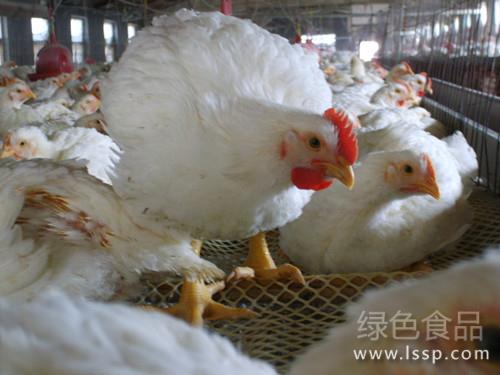
Broiler
1. Control nutrition by stage: In the early rearing period (3—4 weeks of age), ensure the chickens develop a good skeleton and prevent body fat accumulation. To this end, increase exercise to strengthen the broilers' physique; control the metabolisable energy level in the feed, or feed restrictedly as needed, and regularly sample body weights to adjust the diet in time. After 4—5 weeks of age, broilers are fattened faster to increase meat tenderness.
2. Maintain balanced nutrition: The diet should be rich in minerals and vitamins (especially vitamins A and D), but not excessive. For chicks 0—3 weeks of age, the content of vitamin A and vitamin D per kilogram of diet should be 250—400IU. Succulent fresh feed such as carrots and pumpkins can be fed in small amounts regularly.
3. Create a suitable environment: The chicken house should be kept ventilated, hygienic, and dry; the litter should be loose and moisture-proof, and replaced regularly. The rearing density should be appropriate; after broilers are 3—4 weeks of age, no more than 10 per sq m. Feed using the method of adding little and often to increase the chickens' pecking and exercise time. When moving flocks and vaccinating, handling the chickens should be avoided as much as possible to reduce stress.
4. Do a good job of disease prevention: Some bacteria and viruses can also induce broiler leg disease, so vaccination and prevention work must be done well. For affected chickens, isolate them early, manage them carefully, and sell them in good time to reduce economic losses.