Winter cattle raising: beware of omasum impaction disease; cattle have scant, dry feces and poor digestion
Omasum impaction disease in cattle, also called omasum blockage disease, occurs frequently in winter. It is mainly caused by improper feeding and management, overwork, insufficient exercise, long-term feeding of large amounts of dry, hard feed rich in crude fiber, or feeding bran, distillers' grains, or feed covered with large amounts of mud and sand, together with insufficient drinking water. This causes excessive internal heat in the cattle, so the feed retained in the omasum stays in the omasum leaflets due to lack of water and is difficult to move down, ultimately forming omasum blockage, which further causes the omasum to lose normal digestive function.
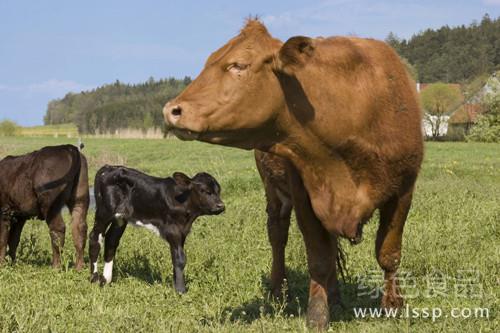
Cattle
Symptoms: The sick cattle are depressed, have reduced appetite, impaired rumination, erect hair, and are thin and weak. In the early stage, the feces are scant and dry, dark and ball-shaped, with mucus on the surface, and the feces contain undigested feed. Afterwards, defecation becomes less frequent, with feces shaped like abacus beads, and urination is scanty and turbid. When the omasum area is pressed and tapped (right side between the 7th and 9th ribs, above and below the horizontal line of the shoulder joint), the sick cattle are painful and restless, and may even resist; puncture of the omasum may reveal relatively hard contents. In the later stage, they pass black, small, hard feces, lie down more and stand less, completely lose appetite, stop ruminating, often chew emptiness, grind their teeth, have increased body temperature, faster breathing, stronger pulse, scanty yellow urine, and a dry muzzle, even cracked. If necrosis of the omasum leaflets occurs, septicemia may develop, with increased body temperature, labored breathing, constant groaning, and finally death from exhaustion.
In winter and spring, cattle are mainly fed dry grass or powdered feed, so feed that is too dry and fine should not be given, and powdered feed should be appropriately limited; forage should be as clean as possible, and the mud and sand content should be strictly controlled; drinking water should be supplied adequately, and in winter and spring warm water should be given as much as possible, preferably with a little salt added regularly, to promote digestion and increase appetite; feed a certain amount of silage, and insist on daily exercise, use the cattle reasonably, and avoid excessive fatigue, which can effectively prevent this disease.
For affected cattle, as long as rescue is timely, the treatment effect is good. The following treatment methods can be used:
(1) Administer 500 ml of soybean oil or paraffin oil by drench to lubricate the omasum;
(2) For cattle already affected, in the early stage of disease, 500-800 g of sodium sulfate or magnesium sulfate, 1—2 L of liquid paraffin, and 5—10 L of water can be given by drench at one time to promote discharge of stomach contents;
(3) For those with a long disease course and severe condition, a long needle can be used at the intersection of the front edge of the 10th rib on the right side and the horizontal line of the shoulder end, or slightly below, to inject 1—3 L of 100% sodium sulfate or magnesium sulfate solution into the omasum; if about 500 ml of liquid paraffin or vegetable oil is injected at the same time, the effect is better. To promote recovery of omasum function, vitamin B1 and ammonium bromide mixture can be used together. In the late stage of disease, when necessary, cardiac stimulants, fluid replacement, and gastric lavage can be used together, and 20 ml of 5% sodium chloride solution can be injected intravenously to strengthen the heart and promote diuresis;
(4) For affected cattle whose condition is not severe, traditional Chinese medicine treatment can also be chosen. Take 120 g of mirabilite, 30 g each of talc, Euphorbia, Angelica, Atractylodes, and Pharbitis seed, 60 g of rhubarb, and 6 g of licorice, mix evenly and grind finely, add 500 g of lard, and administer after mixing with warm water. Taking several doses in succession also gives a very good effect.