Poor feed in winter makes sheep prone to disease; over-wintering sheep need refined rearing
Once winter arrives, sheep mostly eat coarse feed such as withered yellow grass and autumn-stored straw, whose nutrition and palatability are inferior to summer and autumn forage. Combined with low temperatures, sheep burn energy quickly, their body condition gradually weakens, disease resistance drops, and they easily contract epidemics, which can lead to miscarriage in ewes or death of sheep. To ensure sheep safely overwinter, scientific feeding and careful management are essential.
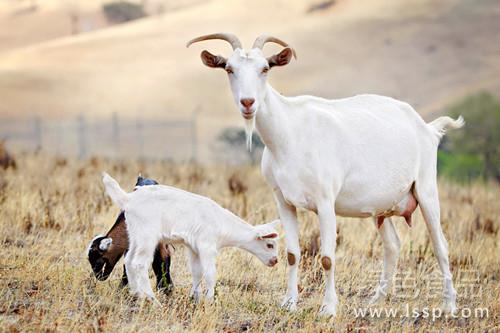
Sheep
Promptly cull sick and weak sheep:
Sick and weak sheep have poor constitutions, weak feed intake, malnutrition and low immunity. Combined with the erratic winter temperatures, they easily contract epidemics and eventually die. Even if they survive the winter through treatment and feeding, they consume a great deal of manpower and energy and increase rearing costs, and once they contract an epidemic they infect healthy sheep, causing even greater losses. Therefore, sick and weak sheep must be culled, and healthy flocks selected to overwinter.
Strictly carry out immunization to ensure flock health:
Winter temperatures are low, especially in Northeast China, where the temperature difference between day and night is large, making it a season of high epidemic incidence. Therefore, vaccinations such as foot-and-mouth disease and the sheep triple combined five-prevention vaccine must be administered in advance according to immunization procedures and technical requirements. Preventing winter-prone epidemics in advance, improving immunity and building an effective immune barrier ensure flock health. For postpartum ewes and weaned lambs, timely booster vaccinations should be given.
Master correct feeding and watering methods:
Grazing sheep are fed in the evening, while housed sheep are fed twice, morning and evening. The feeding order should be: first concentrate, then succulent root-tuber feed, then silage, and finally hay and straw. Root tubers should be cut into small pieces, and dry corn stalks should be crushed, chopped or rubbed before feeding. Concentrate, root-tuber feed and silage are all placed in the feed trough at one time in measured amounts, while hay is placed in the hay rack. On average, each sheep gets about 1 kg of forage and about 0.25 kg of concentrate per day. Sheep have a keen sense of smell and clean feeding habits, and prefer clean forage and water. Do not feed straw sprayed with excessive pesticides, to prevent miscarriage in pregnant ewes caused by drug residues. Winter forage is relatively dry, so sheep must be given sufficient drinking water and an appropriate amount of salt licking, with watering twice a day at 9:00-10:00 and 15:00-16:00, at a water temperature of about 20°C. They must not drink cold water or water with ice particles.
Care of pregnant ewes and lambs:
Pregnant ewes, especially those about to give birth, must not be kicked, hit or driven quickly; fright, crowding and strenuous exercise should be avoided as much as possible to prevent miscarriage. Pregnant ewes should be given supplementary concentrate at the right time according to their body condition. Where conditions permit, a lambing room should be prepared. The temperature of the lambing room should be neither too low nor too high, generally 2°C-3°C is suitable, both to prevent frostbite in lambs and to prevent the growth of bacteria that cause epidemics. Postpartum ewes must be separated from lambs and other sheep, with lambing pens and mother-lamb pens partitioned off for ease of management, while also preventing lambs from being trampled and allowing ewes to nurse in time.
An important point in caring for newborn lambs is to promptly clear the mucus from the mouth and nasal cavity to ensure the respiratory tract is unobstructed. Lambs should receive colostrum within 1-2 hours, and the first nursing must not be too full. Pay attention to preventing lambs from freezing, starving, bloating, being crushed and getting sick. If a litter has more than two lambs, the lambs should promptly be artificially fed or nursed by other ewes. The fostering method: smear the ewe's urine on the head and body of the lamb to be fostered, and at the same time manually help it nurse several times.