Prevention and treatment methods for sow emaciation syndrome, improving emaciation, rough coat, and muscle atrophy
Sow emaciation syndrome, also known as nutritional exhaustion, is a metabolic disease caused by insufficient feed nutrition or increased energy consumption, leading to physical depletion and a decline in metabolic level. This disease is characterized by a disturbance in energy metabolism in sows, which causes the body's stored fat, protein, and glycogen to be broken down at an accelerated rate and severely depleted, resulting in malnutrition and muscle atrophy in sows.
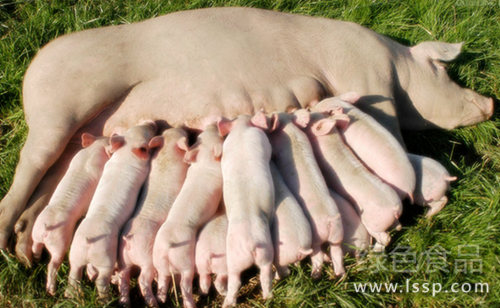
Sow
1. Causes: Feeding at a low nutritional level leaves the sow's nutritional supply unable to meet demand. Especially under large-scale farming conditions, measures such as early weaning and rapid re-mating are often adopted to speed up reproduction, placing too heavy a burden on pregnant and farrowing sows, so their body weight cannot recover and they become increasingly thin, sometimes even unable to stand up. In addition, in large-group housing, timid sows that do not get enough feed for a long time remain in a state of hunger and are also prone to emaciation syndrome. Another cause is that sows suffer from chronic wasting diseases, such as parasitic diseases, chronic digestive disorders, or certain infectious diseases.
2. Clinical symptoms: Progressive emaciation, rough coat, and protruding bones; dry skin, much dandruff, and reduced elasticity; pale or light red mucous membranes, sometimes with jaundice; atrophy of skeletal muscles throughout the body, decreased muscle tendon tension, weakness when standing, or inability to stand up; no change in appetite or thirst, and normal body temperature; affected pigs tire easily, and during forced exercise their breathing speeds up, sometimes with panting, and their pulse quickens.
3. Prevention and treatment measures: For extremely exhausted sows, in addition to strengthening feeding and supplementing high-energy feed, treatment can also include ear vein injection of 10% glucose 300-500 ml plus vitamin B1 5-40 ml, intramuscular injection of vitamin C 5-10 ml, and subcutaneous injection of oxidized camphor 3-5 ml. For more valuable sows, adenosine triphosphate 50-100 mg can also be injected intramuscularly, with continuous treatment for 7 days. An appropriate amount of artificial salt and yeast tablets can also be added to the feed. During large-group housing, if timid sows are found, they should be separated promptly and kept in individual pens. For late-pregnancy and lactating sows, especially those that have been rapidly re-mated and early weaned, nutrition should be supplemented promptly to ensure that the sow's needs for various nutrients are met. Sows should be dewormed regularly. If pigs with chronic wasting diseases are found, corresponding treatment measures should be taken promptly.