Duck infectious rhinitis needs careful prevention in cold winter; watch for foul-smelling nasal discharge, sneezing and inflammation
Duck infectious rhinitis is an acute respiratory disease caused by Haemophilus bacteria. It can occur in both fattening duck flocks and laying duck flocks, causing stunted growth, increased culling rates, and reduced egg production in ducks. It can also trigger other diseases and may even lead to death from emaciation and weakness, resulting in serious economic losses.
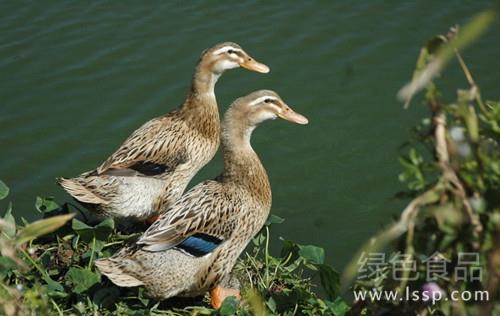
Duck
Epidemiology: This disease occurs mostly in cold weather, strikes suddenly, spreads quickly, has a high incidence rate, causes a rapid drop in egg production, and has a low mortality rate. Chronically ill ducks and recovered carrier ducks are the main sources of infection. Ducks of all ages can be infected, but ducks over 4 weeks of age are highly susceptible. Growing ducks and laying ducks are the most susceptible. This disease occurs mostly in adult ducks and has the greatest impact on ducks during the laying period. After growing ducks are cured of the disease, it has little effect on their later egg production.
Causes: Poor ventilation in duck houses, excessively high ammonia concentration, overcrowding in duck houses, poor nutritional levels, and sudden temperature changes can all increase the severity of this disease. Mixed infection with other diseases such as chronic respiratory disease, infectious bronchitis, and infectious laryngotracheitis can prolong the course of the disease and increase mortality. Raising duck flocks of different ages together also often leads to outbreaks of this disease.
Clinical symptoms: After infection, symptoms appear within 1 to 5 days in the duck flock. At first, only thin watery nasal fluid is seen in the nostrils, along with sneezing. As the disease progresses, serous or mucous secretions flow from the nasal cavity, gradually becoming thicker and having a foul odor, with sneezing and difficulty breathing. Sick ducks often shake their heads and frequently scratch their nostrils and beaks with their claws. After the mucus dries, pale yellow scabs form around the nostrils. Sick ducks develop facial inflammation, with swelling of the tissue around one or both eyes, and in severe cases, blindness. Sick ducks are listless, have reduced appetite, and gradually lose weight. Laying ducks show decreased egg production, and male ducks develop swollen wattles. A small number of severe cases develop Haemophilus paragallinarum meningitis, showing acute neurological symptoms and then dying.
Prevention methods: Vaccination is one of the most effective measures to prevent this disease. Recovered carrier ducks are the main source of infection for this disease. When introducing breeding stock, ask whether the breeder duck farm has a history of infectious rhinitis, do not buy the offspring of recovered breeder ducks or growing ducks from epidemic areas, and advocate an all-in, all-out system. For duck farms that have had rhinitis, it is recommended to clean and disinfect the duck houses and equipment, leave the duck houses empty for 1 to 2 weeks, and then raise a duck flock again. When sick ducks are found, they must be strictly isolated and treated, and the duck houses, floors, and equipment should be disinfected with 0.3% peracetic acid.
Treatment measures: Use sulfadimidine at 0.2% mixed into the feed and feed continuously for 3 to 4 days; streptomycin, intramuscular injection of 100 to 200 mg per duck, once a day, for 3 consecutive days; oxytetracycline, mixed into the feed at 0.2% and fed continuously for 3 to 4 days. During treatment, combining with surgical treatment gives better results. For example, if sick ducks only have rhinitis and eye inflammation, they can be flushed with 2% boric acid water; if bean curd residue-like coagulated material accumulates in the sinus cavity, it should be cut open with a surgical scalpel, removed with tweezers, flushed with boric acid water, and finally penicillin eye drops should be applied.