Winter sheep watering precautions: do not give sheep cold water or water with ice bits
In winter and spring, because the temperature is low, if sheep are given cold water or even water with ice bits, they are unwilling to drink it, resulting in insufficient water intake. This not only slows down the digestion rate of sheep feed and hinders metabolism in the body, leading to a decline in body condition, but can also cause disease. Therefore, in production, water-drinking conditions must be created for sheep, and clean, sufficient drinking water must be provided.
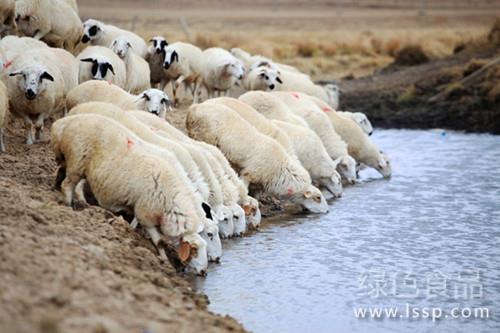
Sheep drinking water
Watering temperature: if the temperature of the water sheep drink is too low, the water must absorb heat that the sheep itself has converted from feed, which reduces feed utilization. Therefore, in winter and spring, the temperature of water for sheep is best at 20~30°C.
Watering form: to encourage sheep to drink more and drink enough, sheep can be given a soup of concentrated feed. The method is: scald the concentrated feed with boiling water, stir evenly to make it into a paste, then add a certain amount of water, stir evenly, and give it to the sheep to drink.
Watering amount: for every 1 kg of dry matter sheep consume, they need to drink 3~5 kg of water. Therefore, in winter and spring, according to the situation of the forage and feed the sheep consume, give the sheep water at 3~5 times the amount of dry matter.
Watering time: drinking on an empty stomach, if the water temperature is on the low side, will cause the sheep's body temperature to drop sharply, making the sheep prone to catching cold, and pregnant sheep drinking cold water on an empty stomach are prone to miscarriage. Sheep should be given water 1 hour after being fed grass and feed, so that the water and forage can mix fully in the sheep's rumen and help digestion.
Watering frequency: it is advisable to water sheep twice, in the morning and in the evening. If conditions do not allow, water at least once, but make sure they drink enough.