Basic principles for winter mutton sheep fattening: mutton is profitable, but raising sheep requires caution
As people's dietary structure improves, mutton consumption increases and the mutton sheep farming industry rises. Many principles must be followed during the fattening process of mutton sheep, and special attention should be paid in winter.
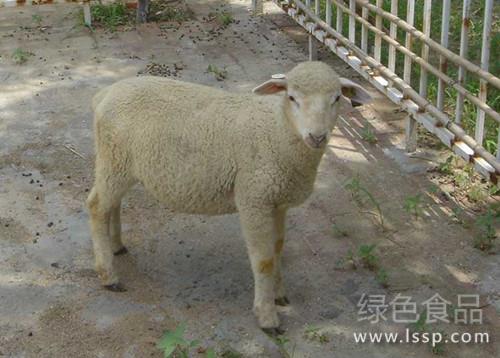
Mutton sheep
1. Grouping principle for fattening:
Generally speaking, young sheep gain weight faster than older sheep and have better fattening results. Lambs aged 1—8 months grow quickly and mainly develop muscle. Selecting weaned lambs as fattening sheep produces good-quality meat and high profits. Therefore, after lambs are weaned, those unsuitable for breeding should be grouped for fattening separately by sex and body weight; culled adult mutton sheep should be grouped for fattening separately by age and body weight. This helps to formulate feed according to the different nutritional needs of mutton sheep.
2. Principle of emphasizing benefits:
The level of economic benefit is the key to measuring the success or failure of mutton sheep fattening, rather than blindly pursuing the maximum daily weight gain. Under local conditions, seek the best benefits according to market rules. Especially under housed fattening conditions, maximum weight gain of mutton sheep is often based on a high-concentrate diet, but maximum weight gain does not mean the best economic benefit. Therefore, when setting the expected fattening intensity, use the best economic benefit as the standard. According to feeding standards, combined with the growth and development characteristics of the fattening mutton sheep themselves, determine the feed composition, daily ration supply or supplementary feeding quota, and adjust promptly in light of actual weight gain results.
3. Principle of housed fattening:
When the temperature is relatively low, mainly use high-quality dried green grass or silage, feed a certain amount of concentrate feed such as corn and soybean cake every day, and also feed some juicy feed such as carrots and pumpkins to improve palatability and increase the feed intake of mutton sheep. Let the sheep eat and drink their fill in a warm sheep house, so that they grow and develop rapidly and gain fat and meat.
4. Principle of timely slaughter:
Production should be reasonably organized and mutton sheep should be slaughtered at the right time. Determine the length of the fattening period according to the growth and development stage of the fattening sheep at the beginning. If the fattening period is too short, the effect is not obvious; if too long, feed returns are low and it is not cost-effective. Therefore, when mutton sheep reach a certain body weight after a certain period of fattening, they should be slaughtered or marketed in a timely manner, rather than blindly pursuing the maximum body weight of the sheep.
5. Principle of determining scale:
The size of the fattening scale determines the amount of profit. Generally speaking, the larger the scale, the greater the profit. However, in actual production, the opposite is often true. Due to blind purchase of sheep and coveting scale while neglecting market operations and consumer carrying capacity, the phenomenon of large scale and large losses is caused. Therefore, when deciding the raising scale, first, understand the meat consumption level and personal income situation in the sales destination, and use these to make a reliable prediction of the pre-sale price; second, pay attention to the prices of agricultural products related to animal husbandry such as corn and soybeans. The prices of these products directly affect feed prices and are also a barometer of meat prices; third, determine the length and batches of the mutton sheep fattening period according to the quantity and total amount of stored forage and feed. During fattening, under reasonable and scientific matching of forage and feed, the fattening period is generally preferably 60—70 days. The specific fattening time depends on the body condition, size and daily weight gain speed of the sheep entering the fattening pen. From the perspective of economic benefit analysis, the fattening period should preferably not exceed 90 days.