To make geese lay more eggs in winter, do a good job of cold protection, feeding, exercise and supplementary lighting
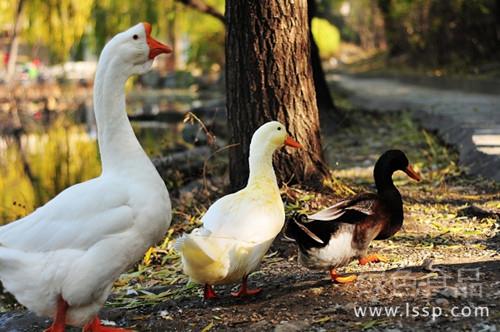
Geese
1. Cold protection and warmth.Close the doors and windows of the goose house, plug the gaps inside the house, hang curtains at night to protect against the cold, or pile manure at the back wall of the goose house to ferment and keep it warm, appropriately increase the stocking density, and make the laying nests soft and warm. Where conditions permit, a plastic greenhouse should be built to use solar energy for heating.
2. Provide sufficient nutrition.In winter, the feeding standard needs to be raised, and the proportion of grain feed rich in carbohydrates and fats should be appropriately increased to ensure the supply of energy, protein, vitamins and minerals and enhance cold resistance. The concentrate composition of the daily ration: corn 60%, bran 20%, cakes 18%, auxin and eggshell powder 2%. Feed each goose 150-200 grams of mixed concentrate per day, divided into 3 feedings, one of which is at night. Winter nights are long, so at 10-12 pm, just before turning off the lights, feeding an extra meal of pellet feed is beneficial for increasing the laying rate. When the weather is cold, geese tend to eat more feed, so prevent them from becoming too fat. Therefore, the increase in feed amount should be kept moderate. Generally, the feed intake of geese in winter increases by about 10% compared with the warm season.
3. Supplementary lighting.In winter, natural light is about 10 hours per day. Electric lights should be installed in the house, and the method of turning on the lights in the morning and evening should be adopted for artificial supplementary lighting. Starting from November, make the actual daily light reach 13 hours, then increase by half an hour every 1 week, gradually extending the supplementary lighting time until the light reaches 15-16 hours per day and night. The light intensity should be about 3 watts per square meter of floor area. Place the feed troughs and waterers as close as possible below the lights. During the lighting period, there must be feed in the troughs and no interruption of water in the waterers.
4. Strengthen exercise.In winter, geese change from mainly grazing to mainly housed feeding, and their activity decreases. Often stirring the flock to make them move in circles inside the house can prevent geese from becoming too fat and encourage more egg laying. You can also spread some chopped straw on the ground, scatter grain, or hang several Chinese cabbages in the house to encourage the geese to move and strengthen their physique. On clear days around noon, drive the geese to a suitable exercise area to get more sunlight, promote vitamin D synthesis, and help geese lay eggs.
5. Release to water at the right time.In winter, the temperature difference between inside and outside the house is large, so the flock should be released late and brought in early. Every morning before releasing the geese, first open part of the windows, and after the house temperature gradually drops, release the geese from the shed. In winter, reduce the number of times geese enter the water and shorten the time in water. Generally, on sunny mornings at 10 am and afternoons at 2 pm, let them wash once each time, playing in the water for 10-15 minutes each time. On cloudy and windless days, let them enter the water once in the morning and they may not enter the water in the afternoon. On snowy days, do not let them enter the water; after the snow stops, let them enter the water again. Before entering the water, clear the snow along the route to prevent snow chunks from freezing onto the geese.