Many threats such as withered grass and frost - beware of miscarriage in pregnant cattle in winter
Pregnant cattle are prone to miscarriage in winter, and the causes can be many. Because winter temperatures vary greatly, cattle face the threats of withered grass, frost, lack of green feed, and cold, which have a greater impact on pregnant cattle, and the accelerated growth and development of the fetus in the later stage must also be taken into account. Therefore, it is necessary to comprehensively manage cattle during pregnancy, focus on preventing miscarriage in pregnant cattle, and ensure they overwinter safely.
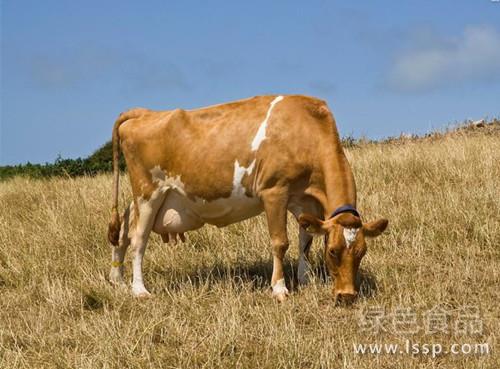
Pregnant cattle
Meet nutritional needs:
Strengthen nutrition. To ensure overwintering, maintain the body condition of pregnant cattle in the later stage. In addition to the nutrition needed to maintain their own life activities, the nutrition needed for the rapid development of the fetus must also be met, and a compound feed with many varieties and complete nutrition must be fed. To keep the nutrition of pregnant cattle balanced and stable, feed must not be changed suddenly; feeding should be done at fixed times and in fixed amounts, with roughage first and concentrate later, so as to improve the cattle's body condition, defend against severe cold, and reduce body heat loss, thereby ensuring that the newborn calves are large, strong, and highly disease-resistant.
Feed loose and palatable feed. As pregnant cattle approach late gestation, the fetus develops rapidly, the uterus expands and enlarges, and the pressure on the organs increases, thereby affecting the cow and the fetus. This requires feeding pregnant cattle loose feed such as bran, while reducing the amount of coarse and hard feed, so as to protect the normal development of the fetus, reduce pressure on the organs, ensure smooth blood circulation, and prevent miscarriage. For pregnant cattle near calving, feed that is small in volume, good in quality, and easy to digest should be provided.
Provide pregnant cattle with sufficient drinking water. In winter, cattle mostly eat dry hay and dry feed. If water intake is insufficient, saliva will decrease, digestion will weaken, the rumen movement of the cattle will slow, or even food will accumulate, causing omasum blockage. Therefore, in winter, pregnant cattle should be given warm water to reduce heat loss.
Strengthen warmth management:
Pay attention to keeping the barn warm. Doing a good job of keeping the barn warm can reduce heat loss from the cattle's body and ensure that pregnant cattle overwinter safely. The most suitable barn temperature for pregnant cattle is 8°C~15°C. Effective practices: close the doors and windows of the cattle barn, plug up holes, and prevent drafty wind from entering; the floor must be dry and not frozen, to prevent damp cold; ensure the walls are not drafty, the barn does not freeze, and the shed does not form frost.
Prevent frost damage. Do not graze cattle on frosty mornings, to prevent frost from harming pregnant cattle. This is because in the morning the cattle are hungry, their stomachs are empty, and they are greedy for food; they often bloat from eating too quickly and too much, and may even die from bloating. Pregnant cattle are even more likely to show fetal movement, restlessness, or miscarriage. If cattle are to be grazed, they should be grazed only after the sun comes out in the morning and when there is no dew. Pregnant cattle must not be fed frost-dew grass or frozen feed.
Exercise and disease prevention:
Pregnant cattle should persist in appropriate exercise. After becoming pregnant, cattle consume a lot of nutrition and are prone to weakness and reduced resistance. Therefore, feeding and management during the gestation period of pregnant cattle should be well handled, and regular and appropriate exercise should be maintained. In winter, when it is cold and the roads are slippery, prevent pregnant cattle from walking quickly and from running and jumping. In late pregnancy, do not climb mountains, do not walk on steep slopes, dangerous roads, or icy slippery paths, to prevent slipping and falling. Pregnant cattle should be raised separately and managed separately, to prevent biting, head-butting, and squeezing, so as to ensure the safety of pregnant cattle and avoid miscarriage.
Prevent fetal-movement colic in cattle. In late pregnancy, because the contents of the uterus are too large and overly distended, and because the animal itself has poor constitution and strong sensitivity, fetal-movement colic is likely to occur, manifested as restlessness when standing and lying down, bellowing, raising the tail and straining, bloody fluid flowing from the vagina, the cow looking back at its abdomen, frequently assuming a urination posture, and increased fetal activity on palpation. Effective practices: keep pregnant cattle fully rested and quiet, and at the same time use drugs for symptomatic treatment. Intramuscular or intravenous injection of 30~40 ml of analgin injection, or oral administration of 20~40 g of potassium bromide, can be used to calm and prevent miscarriage; intramuscular injection of 1~2 g of progesterone, once/day, for 3 consecutive days, also has a good miscarriage-prevention effect.