In winter, when green feed is scarce, rabbits easily suffer poisoning from overeating concentrated feed
In winter, green feed is scarce, but breeders often supplement with concentrated feed to increase the growth rate of rabbits and the milk production of does. However, if rabbits eat concentrated feed without sufficient grass meal added for a long time, it will cause severe diarrhea and death, which should be noted.
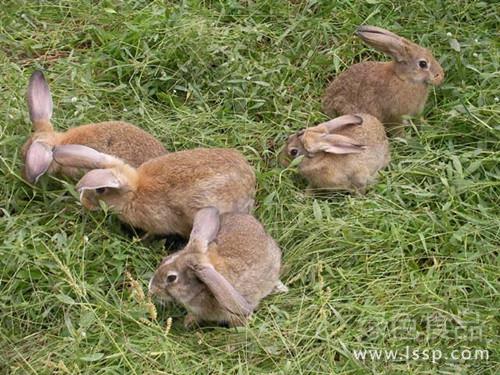
Rabbits
1. Pathogenesis:
(1) Lactic acidosis: When rabbits lack green feed and overeat concentrated feed, the gastrointestinal flora becomes imbalanced, producing lactic acid and lowering the pH of the gastrointestinal tract. When too much lactic acid enters the body fluids too quickly and exceeds the rabbit's metabolic capacity, it leads to acidosis.
(2) Endotoxin poisoning: When rabbits overeat concentrated feed, the digestive tract flora becomes imbalanced, and some pathogenic bacteria multiply in large numbers, producing large amounts of toxins, causing toxic enteritis, dehydration and shock.
2. Clinical symptoms: The rabbit is depressed, with rough fur, complete loss of appetite, abdominal distension, abdominal pain, watery diarrhea, foul-smelling feces, dry mouth, sunken eye sockets, increased drinking, normal or slightly low body temperature, and finally stops eating and drinking until death. The course of disease is 2-7 days.
3. Necropsy lesions: Swelling and congestion of the gastric mucosa; congestion of the small intestinal mucosa; enlarged liver; congestion of the kidneys.
4. Treatment:
(1) Inhibit lactic acid production and eliminate pathogenic bacteria. Stop feeding concentrated feed to sick rabbits and feed high-quality hay. Add antibiotics to drinking water, such as gentamicin, or intramuscular injection of gentamicin, 20,000-40,000 units per rabbit, twice a day for 2-3 consecutive days.
(2) Relieve acidosis. Intravenous injection of 5-10 ml of 5% sodium bicarbonate injection, twice a day for 2-3 consecutive days.
(3) Antitoxin and anti-shock. Intramuscular injection of 1 ml dexamethasone injection and 2 ml vitamin C injection per rabbit each time, twice a day for 2-3 consecutive days.
(4) Supplement body fluids and electrolytes. Intravenous or intraperitoneal injection of 30-50 ml of 5% glucose saline, 1-2 times a day for 2-3 consecutive days.
5. Prevention:
(1) The diet should be mainly green feed, with concentrated feed as a supplement. When green feed is lacking, sufficient high-quality grass meal should be added to the concentrated feed, with the amount reaching up to 35%, and the amount of concentrated feed fed should be controlled, not feeding too much each time.
(2) Adding 2% sodium bicarbonate to the concentrated feed has a certain preventive effect on rabbit poisoning.