Goose nematodiasis causes drooping wings, diarrhea, emaciation, and refusal to eat: how to prevent and treat it
Goose stomach nematodiasis is caused by various stomach nematodes parasitizing the proventriculus, gizzard, and small intestine of geese. The eggs of stomach nematodes are passed out of the body with the feces of diseased geese, are swallowed by intermediate hosts such as grasshoppers and beetles, and develop into infective larvae after about 3 weeks. Geese can become infected with this disease after swallowing these insects.
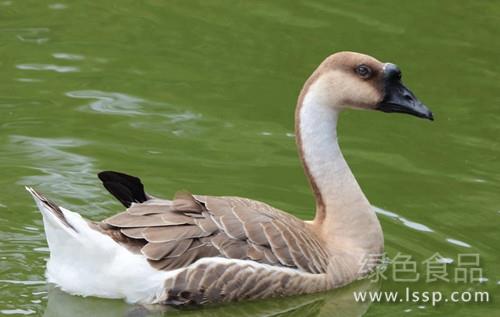
Geese
Symptoms and pathological changes:
The symptoms in goslings are more obvious than in adult geese, and severe infection can cause mass death. When adult geese are mildly infected, the symptoms are not obvious; when severely infected, they are listless, have drooping wings, diarrhea, and then become emaciated, anemic, have reduced appetite, and are unwilling to stand. Necropsy of diseased geese reveals hemorrhagic inflammation beneath the keratin layer of the gizzard, with the formation of caseous or purulent nodules. The proventricular mucosa is inflamed and thickened, with ulcers and nodular growths appearing; in the submucosa of the stomach there are bright red or dark red round or oval lesions, and thin thread-like worm bodies can be found.
Treatment:
The following drugs can be used for treatment: levamisole powder, administered orally, 20-25 mg per kg of body weight per day, or mixed into feed at a ratio of 0.05% and fed, for 7 consecutive days; diclazuril premix, administered in drinking water, with a daily amount of 100 g of the drug mixed into 300 kg of water, given as a concentrated dose; Quchong San, administered orally, 10-30 mg per kg of body weight per day, or about 0.6 g per kg of feed, for 7 consecutive days.
Prevention:
Ensure the nutritional needs of geese and improve the flock's ability to resist parasitic diseases. Pay attention to the cleanliness and hygiene of the goose house, and carry out harmless treatment of goose feces such as biological heating. Preventive deworming should be carried out in geese starting from grazing, with a second deworming after 1 month, and thereafter once every 3 months. Deworming drugs such as levamisole and Quchong San can be mixed into feed at half the treatment dose. Try as much as possible to prevent geese from contacting the intermediate hosts of stomach nematodiasis.