Master newborn piglet care techniques to increase survival rates and boost profits
Care of piglets is the first step in pig farming and also the most labor-intensive task. Carefully tending to piglets can reduce piglet mortality and improve pig farming profits. The following piglet care techniques should be mastered.
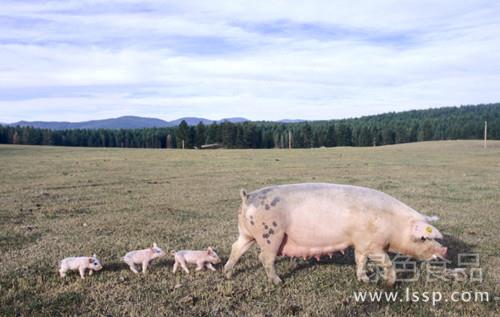
Piglets
1. Large-scale sow farms should carry out farrowing in relatively concentrated batches according to plan. This not only facilitates cross-fostering of piglets, but also allows several sows to nurse them after the piglets are grouped. This can improve piglet survival rates and ensure that all piglets are strong and survive.
2. When delivering piglets, the umbilical cord should not be cut too early, to avoid excessive bleeding. The umbilical cord should be cut 10 minutes after the piglet is born.
3. Some first-time sows are fierce-tempered and will bite newborn piglets to death. For this, the newborn piglets can be placed in a piglet-protection basket, and after the sow has delivered 7-8 piglets, they can be placed together beside the sow's belly. At this time, the person assisting the birth can gently massage the sow's udder to help her adapt to nursing and to facilitate delivery. If necessary, inject the sow intramuscularly with 2 ml (50 mg) chlorpromazine hydrochloride injection ×5 vials.
4. For piglets within 1 week of age, administering oxytetracycline solution orally once a day can prevent diarrhea. The formula is 1 g oxytetracycline powder dissolved in 100 ml cold boiled water, with each piglet given 3 ml orally per day.
5. If piglet diarrhea is found, it should be treated early, and oral medication is preferable. Use drugs that can maintain a relatively high concentration in the intestinal tract and are rarely absorbed, such as streptomycin, kanamycin, gentamicin, etc.
6. Newborn piglets have delicate skin and will get sunburned if left too long in the sun on a sunny day, so they should be driven away as needed.
7. If younger piglets develop large blisters on the body surface due to being crushed by the sow or other reasons, do not puncture them immediately to drain the fluid. Because blisters will appear again at the affected area after drainage, and repeated drainage can cause the loss of nutrients from tissue fluid, affecting piglet growth. It is better to leave them alone and let them be slowly absorbed by the tissue. Or wait until the piglets are older before draining, and inject calcium preparations intravenously to reduce exudate.
8. In the pens for newborn piglets, bedding straw should not be too much. Because newborn piglets are small and weak and walk unsteadily, too much bedding straw can entangle the piglets, making them easy for the sow to crush to death.