Mutton prices are high during Spring Festival: master the methods for rapid fattening of meat sheep
Every year from winter to around Spring Festival is the peak season for mutton sales, and mutton prices are much higher than usual, so sheep farmers should seize the right opportunity and get on with fattening their meat sheep.
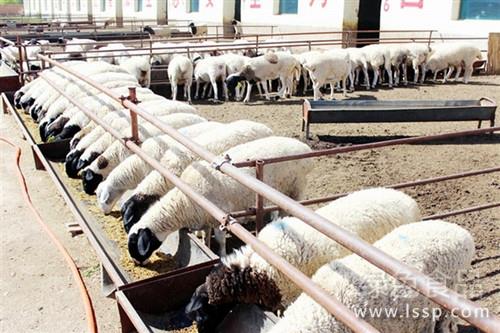
Meat sheep fattening
1. Pay attention to rational feeding:
Feed at fixed times, in fixed amounts, at a fixed temperature and of fixed quality, adding small amounts frequently; feed forage and concentrate together to ensure the nutritional needs for daily weight gain of fattening meat sheep. Try to avoid a single feed; the mixed forage and feed added that day should be freshly mixed, and never feed moldy, spoiled or frozen feed. When feeding a certain feed over the long term, take care to prevent it from causing metabolic diseases. Growth promoters added should be low-toxicity and easily excreted, such as monensin.
2. Pay attention to frequent observation:
Before fattening, give the keepers special training so that they master the basic knowledge of meat sheep raising and the key production points. Pay attention to observing the meat sheep's feeding situation, whether rumination is normal, whether their spirits are good, and whether they react sensitively to sounds, so that sick sheep can be found and treated early.
3. Pay attention to regular weighing:
Select meat sheep of the same batch and same grade for sample weighing, to promptly understand the sheep's weight gain and grasp the feed conversion rate. Generally a 15-day cycle is used, so as to grasp the monthly cost and daily weight gain speed and adjust feed supply at any time. Know the number of meat sheep ready for market so they can be sold in good time.
4. Pay attention to pen and shed maintenance:
Before winter arrives, not only repair the pens to prevent drafts from entering, but also carry out "one guarantee, two uses, three noes, four frequents." "One guarantee" is to ensure the sheep pen is clean, sanitary, dry and warm; "two uses" is to use warm water to water the sheep and use dry grass to bed the pen; "three noes" is no wind entering the pen, no rain leaking in, and no dampness; "four frequents" is frequently bedding the pen with grass, frequently changing the grass, frequently sweeping, and frequently removing manure.
5. Pay attention to disease prevention and treatment:
Disease prevention and treatment for fattening meat sheep should focus on prevention, combining feeding management with disease prevention and treatment. First, do good disinfection work. After cleaning the sheep pen, spread lime, and use 2% formalin or 2% sodium hydroxide solution to disinfect the sheep shed, feed troughs and surrounding environment. Disinfect the sheep shed and feed troughs at regular intervals, and carry out body-surface disinfection of the sheep; set up a disinfection pool at the farm entrance, and disinfect vehicles entering and leaving the farm area. Second, the feed and drinking water given must be clean; do not let them drink cold water or dirty water, and even more, do not let meat sheep drink water on an empty stomach. Third, carry out regular vaccinations, injecting foot-and-mouth disease vaccine, sheep pox vaccine, and sheep triple four-prevention vaccine. Fourth, after meat sheep are kept in sheds, their range of activity becomes smaller, which easily makes the sheep pen damp and the environment poor, causing parasitic diseases; therefore pay attention to sheep shed hygiene, ventilation and moisture prevention, and do good work in preventing and treating parasitic diseases such as sheep scabies. Fifth, let the sheep regularly drink 0.1% potassium permanganate solution; the number of times they drink depends on the situation. Sixth, prevent meat sheep in different pens from moving between pens; there should be protection between pens to eliminate disease transmission caused by moving between pens. Seventh, pay close attention to the weather and take precautions early, so as to avoid meat sheep getting sick due to sudden strong winds and cold waves.