What to Do When a Newborn Lamb Loses Its Milk? Artificial Feeding Methods and Precautions
During the breeding process, sometimes after a ewe gives birth, the lamb may lose its milk due to too many lambs born, insufficient teats, or the death of the ewe. The artificial feeding methods and precautions for milk-deprived lambs are briefly described below for the reference of sheep farmers.
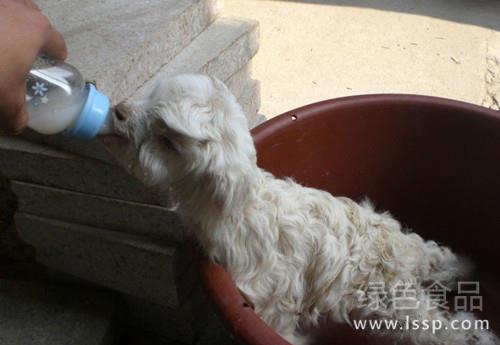
Artificial feeding of lambs
I. Artificial feeding methods for milk-deprived lambs:
1. Feeding bottle method: Put the milk into a feeding bottle, coat the nipple with milk, and put it into the lamb's mouth. After a few training sessions, the lamb will learn to suckle. Alternatively, using a lamb that has already learned to drink from a feeding bottle as a role model can also achieve the training purpose.
2. Box-drinking method: Put milk or milk replacer into a small box and let the lamb drink on its own. At the beginning, the feeder should cut their nails short, smooth them, and wash their hands, then dip an index finger or middle finger in the milk and let the lamb suckle it, slowly luring the lamb's mouth onto the milk. After a few training sessions, the lamb will drink the milk from the box on its own.
II. Precautions:
1. Feed on time. When artificially feeding lambs, follow the set schedule and feed them in sequence. At first, feed once every 3 hours, 4-5 times a day. As the lamb's age increases, gradually reduce the frequency and increase the feeding amount.
2. Feed by amount. The milk given to lambs should be appropriate in quantity. At first, feed each lamb 200-300 grams per feeding. As the lamb's age increases, gradually increase the feeding amount, but the amount fed within 24 hours should not exceed 20% of body weight. After reaching a peak at 40 days of age, gradually reduce it while the feed intake gradually increases.
3. Ensure milk quality. The milk fed to lambs must be fresh and clean. When heating and distributing it, stir it so that the milk fat is evenly distributed.
4. Keep milk temperature constant. The milk temperature should be 38-40°C. If the milk temperature is too low, it easily causes gastrointestinal diseases; if too high, it affects feeding and may even scald the lamb's mouth.
5. Pay attention to feeding management. To prevent induced diseases, the lamb's drinking utensils must be kept clean and regularly disinfected with hot alkaline water. After feeding, wipe the lamb's mouth with a towel to prevent them from licking each other. Lambs should be raised in isolation, and their utensils should be used separately to prevent mutual transmission.