How to prevent and treat osteomalacia in caged laying hens? Watch out for declining egg production, weak legs and easy fractures
Osteomalacia in caged laying hens, also known as nutritional bone dystrophy or osteomalacia, is caused by deficiency, insufficiency or imbalance of calcium, phosphorus, vitamin D and other substances, which leads to decalcification of bone tissue and changes in bone structure and morphology. It mainly manifests as rosary-like lesions at the costochondral junctions of caged laying hens, with bones becoming brittle. It is one of the diseases with high incidence in high-yielding laying hens.
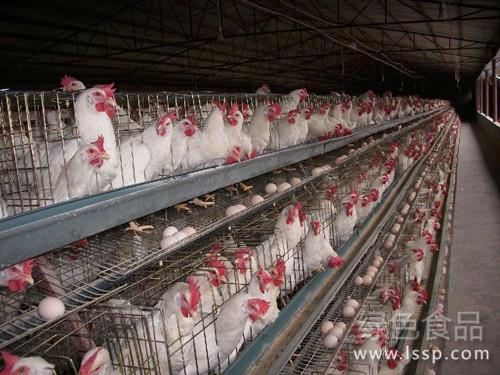
Caged laying hens
I. Causes:
In laying hens under 30 weeks of age, temporary calcium deficiency is often caused by very high egg production (above 80%) without timely increase of high-calcium feed. If sufficient calcium cannot be provided to meet the needs of eggshell formation, the hen will draw calcium from its own bones, causing calcium deficiency. Gastrointestinal dysfunction and chronic renal failure can both affect calcium absorption. Factors such as lack of exercise and insufficient sunlight in winter or early spring can also trigger the disease.
II. Clinical symptoms:
Laying hens initially lay thin-shelled eggs and soft-shelled eggs, egg production drops sharply or even stops, and the hatchability of breeding eggs decreases significantly. The legs become weak and powerless, and the hen assumes an arched posture when walking, feeding or bearing weight; then the bones soften, the femur is prone to fracture or lameness occurs, and the hen cannot stand, finally becoming crouched, bearing weight on both legs or even the hocks together with the tail. The hocks are inflexible, and when walking the chest is held out, moving slowly like a goose.
III. Preventive measures:
Regularly check whether the calcium and phosphorus content and ratio in the laying hen diet are reasonable, and adjust promptly if they are not. Two weeks before the laying hens start laying, supplement calcium and phosphorus in time so that the blood calcium level before laying reaches the specified index. One week before the laying hens start laying, ensure that the calcium content in the feed is above 3%. After the laying hens start laying, as the laying rate increases, correspondingly increase the calcium and phosphorus content in the feed so that the calcium-to-phosphorus ratio remains 3-5:1. During the peak laying period, add an appropriate amount of cod liver oil or animal oil to the feed; especially in summer, add enough vitamin A and vitamin D3 to effectively prevent and control osteomalacia in laying hens.
IV. Treatment measures:
1. Pick out the paralyzed laying hens and raise them loose, feed them feed with a calcium content 1 times higher than normal, and at the same time feed the chickens a diet containing 4% calcium. After 2 weeks of feeding, if no more diseased chickens appear, restore the calcium content in the diet to normal.
2. Give each diseased chicken an intramuscular injection of 1500 international units of vitamin D2 for 2 consecutive days, and at the same time irradiate with ultraviolet light for 1 hour at about midnight to enhance the synthesis of vitamin D in the laying hens' bodies, which can prevent osteomalacia in laying hens.