Spring is a high-incidence season for chicken infectious diseases; how to carry out disease prevention work well
Spring weather is changeable, and various infectious diseases are highly prevalent. Therefore, for chickens to get through spring safely, doing disease prevention work well is crucial. Safe disease prevention for chickens in spring mainly starts from the following aspects:
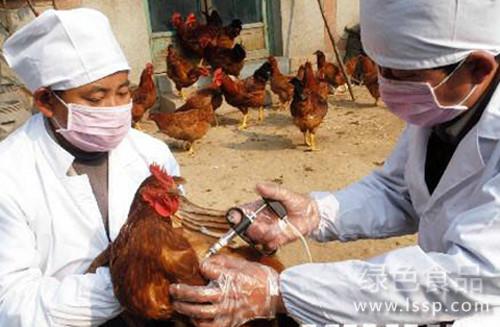
Chicken disease prevention
Strengthen disinfection during the "three periods": before chicks enter the coop, during rearing, and after selling the chickens.
Before chicks enter the coop, the coop and equipment should be strictly washed and disinfected (the interior of the coop should be disinfected repeatedly more than 3 times). During rearing, master three key points: 1. Set up a disinfection pool at the entrance of the coop, and change the disinfectant water often; before feeding the chickens, change work clothes, and make sure hands and shoes are disinfected. 2. Regularly disinfect inside and outside the coop during normal times, generally once a week in winter and spring; when the flock develops disease, increase the number of disinfections. 3. After selling the chickens, promptly clean up the chicken manure inside and outside the coop, and thoroughly sweep, wash, and disinfect the environment inside and outside the coop and the equipment.
Vaccinate correctly:
1. The vaccine variety should match the age of the chickens in days; each vaccination method has strict rules, so follow the instructions. 2. Pay attention to vaccine storage. 3. The vaccine should be diluted with a dedicated diluent or distilled water, and the diluted vaccine must be used up within the specified time. 4. Every chicken should be vaccinated; do not carry out spray or drinking water disinfection within 24 hours before and after eye-drop or nose-drop vaccination.
Strengthen control of the coop environment:
1. Temperature management: A comfortable environment not only enables chickens to exert maximum productivity, but also reduces the occurrence of disease and achieves maximum benefits. A suitable temperature can improve feed conversion rate. Methods for judging whether the temperature is suitable:
(1) Hang a thermometer at the same height as the chickens to measure the temperature; in spring, during the first week of brooding, it is generally 35°C-36°C, then decrease by 2-3°C each week. (2) Judge according to the chickens' reactions: when the temperature is too low, the chickens chirp shrilly and huddle together; when the temperature is too high, the chickens spread out and pant; when the temperature is suitable, the chickens are evenly distributed.
2. Gas management: Fresh air in the coop can avoid the occurrence of respiratory diseases. When using coal stoves to raise the temperature, a large amount of harmful gases such as carbon monoxide, carbon dioxide, and hydrogen sulfide will be produced, so ventilation should be carried out on the premise of not lowering the normal room temperature, to reduce the content of harmful gases and dust in the coop.
3. Humidity management: When raising broiler chickens, special attention should be paid to keeping the litter dry and clean. The relative humidity in the coop is 60°C-70%. During the brooding period, it is best to use straw as litter to help raise the temperature; in the medium and large chicken stage, when the coop temperature is below 18°C, the litter should be thickened to raise the temperature.
4. Density management: Excessive rearing density causes uneven chicken growth and increases harmful gases in the air; especially when humidity is high, chickens are prone to infection with colibacillosis, coccidiosis, staphylococcosis, etc., and it can accelerate the spread of epidemic diseases. Therefore, the rearing density of broiler chickens should be controlled at about 10 per sq m.
5. Avoid stress: Reduce stress reactions. Noise, moving groups, vaccination, sudden weather changes, beak trimming, etc. are all adverse stimuli to chickens and can often cause disease. During rearing, avoid unnecessary catching and disturbing of chickens as much as possible; before moving groups, vaccination, and beak trimming, feed anti-stress drugs for prevention, and handle the cold stress caused by temperature drops well.