Spring is the ideal time for raising pigs, but how do you reduce the disease rate in the herd during the peak disease season?
Spring is the best season for raising pigs. If managed properly, not only will the pigs grow quickly, but costs can also be saved and disease occurrence reduced, thereby improving profitability. The specific techniques are as follows:
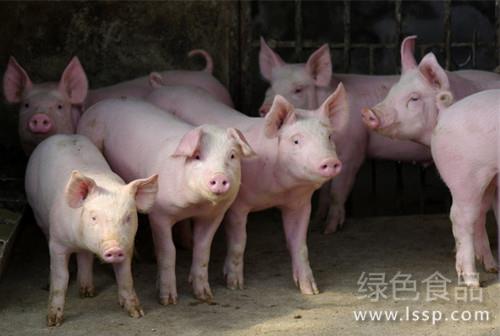
Pig
I. Repair the pig housing and carry out disinfection properly:Keep the pig housing warm, dry and well ventilated, maintain good hygiene in the pig housing, and disinfect the pig pens regularly to create an environment unfavorable for the survival of pathogens. Pigs prefer warmth and dryness, especially piglets, whose thermoregulatory function is not yet fully developed, which have little subcutaneous fat and poor cold resistance. In early spring in March, the weather is changeable with large temperature differences between day and night, so it is very important to keep the pig housing warm, the environment dry and clean, and the air flowing freely, creating an environment conducive to pig growth and development. Especially in the north, sows that have farrowed before must give birth in warm housing to ensure that all piglets survive and are strong.
Before spring arrives, carry out a comprehensive and thorough disinfection of the pig housing to prevent the growth and reproduction of pathogens. The specific method: first thoroughly clean the pig pens, then spray and brush the floors, walls and surrounding environment of the pig pens with 20%-30% lime milk or 20% plant ash or 2%-3% caustic soda solution. After washing the tools clean, disinfect them with 3%-5% Lysol solution, then rinse with water.
II. Strengthen epidemic prevention and pay attention to nutrition:Strictly guard against all kinds of infectious diseases. Carry out pig immunization injections strictly in accordance with the immunization program. Once a disease is discovered, strictly blockade and disinfect, strengthen preventive injections, and handle dead pig carcasses as required. If an epidemic occurs in the surrounding area, in addition to doing a good job of disinfection, outsiders and vehicles must be strictly prohibited from entering the pig farm, and your own vehicles and personnel must be thoroughly disinfected after returning from outside epidemic areas.
Nutrition levels also have a great impact on pig health. A high level of nutritional supply can meet the nutritional needs of pigs, ensure that the pigs are in good body condition, and improve the pigs' ability to resist diseases. Therefore, in production, feed complete-price daily rations with different nutritional standards scientifically according to the different growth stages of the pigs, and adjust the ration formula in a timely manner according to the pigs' body weight and feed intake. In spring, green fodder is scarce, so try to add succulent feed such as carrots and feed such as brewer's grains and oilseed cakes to the daily ration to stimulate the pigs' appetite, and at the same time supplement some vitamins.
III. Fine management and scientific feeding:The feeding and management of fattening pigs and breeding pigs can be carried out conventionally, but the feeding and management of piglets must be handled with care. Because piglets lack innate immunity and their thermoregulatory function and digestive function are not fully developed, in the changeable spring climate, even a slight mistake in feeding and management can easily cause piglets to become ill, or even die in large numbers. Therefore, it is necessary to improve the feeding and management of lactating sows, keep the udders clean and hygienic, and do a good job in the three stages of starting to eat, supplementary feeding and vigorous eating, so that piglets can safely pass through the initial birth stage, the supplementary feeding stage and the weaning stage. Weaned piglets should be given special care.
To prevent piglet dysentery, vaccines should be injected in the late stage of sow pregnancy, and at the same time attention should be paid to keeping the environment clean and hygienic after the sow gives birth and to improving the piglets' physique. Pigs at all feeding stages should be fed complete compound feed, with an appropriate amount of compound feed additives added. Provide clean drinking water, sufficient light and appropriate exercise to promote healthy growth of the pigs and help them safely pass through the disease-prone spring.