Cattle Hoof Disease Restricts the Development of the Breeding Industry, Detailed Explanation of Prevention and Treatment Methods
Cattle hoof disease, along with mastitis and infertility, is known as one of the three major diseases limiting the development of the cattle industry. When cattle suffer from hoof disease, they not only endure pain themselves but also have their feed intake affected, reducing milk production. If cattle hoof disease is severe, the animals will be culled, causing losses.
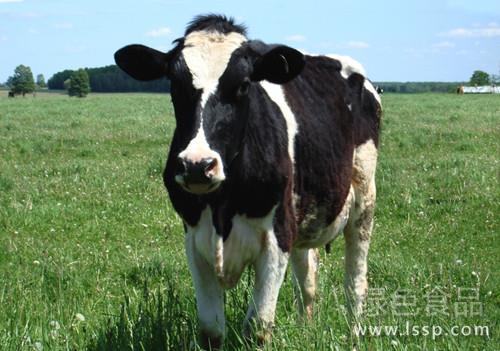
Cattle
I. Prevention:
1. Regular hoof trimming. Every spring and autumn, conduct a whole-herd screening, and trim the hooves of cattle once after calving or during the dry period.
2. The cattle exercise yard should be soft and cleaned frequently. Scattered stones, sharp objects, and items that could puncture cattle hooves are strictly prohibited. In addition, the floors of the exercise yard, cattle barn, and milking parlor should be clean and hygienic to prevent cattle hooves from being soaked in muddy water and manure for extended periods.
3. Cattle feeding. Cattle feeding should have reasonable nutrition. Adding too much concentrated feed can easily cause acidosis in cattle. After acidosis, cattle hooves are prone to rotting and hoof disease. Long-term deficiency of vitamin A group and B group can easily cause the hoof horny layer to become fragile, also making cattle susceptible to hoof disease.
4. Frequent observation. Frequently observe the standing posture and walking gait of cattle. If abnormal standing posture or lameness in walking is found, promptly examine the hooves. If hoof disease is found, treat it promptly.
II. Treatment:
For cattle hoof disease, the basic treatment method is: washing, paring, excavating, applying, and bandaging. First, restrain the cow. First, washing: wash the affected hoof clean with clean water or 1% potassium permanganate solution. Second, paring: carry out necessary trimming of the affected hoof to fully expose the diseased part. Third, excavating: for affected hooves with putrid cavities, enlarge the cavity, thoroughly remove the necrotic tissue, and let fresh blood flow out, then pack the wound cavity with potassium permanganate to stop bleeding, and rinse the wound cavity with 30%-50% potassium permanganate solution. Fourth, applying: apply penicillin cod liver oil emulsion to the wound surface, then fill in a small piece of gauze soaked in pine tar oil. Fifth, bandaging: bandage and secure with a bandage. Check once every 5-7 days. If the bandage has not fallen off, no treatment is needed; otherwise, apply another bandage. Generally, 1-3 times is enough to cure it. For mild hoof disease discovered early, generally the "four steps" of washing, paring, applying, and bandaging are sufficient, and it can be cured in 3-4 days. Severe cases of cattle also require intravenous fluids for systemic treatment.