What are the precautions for spray disinfection with chickens present during the high-incidence period of poultry infectious diseases in spring?
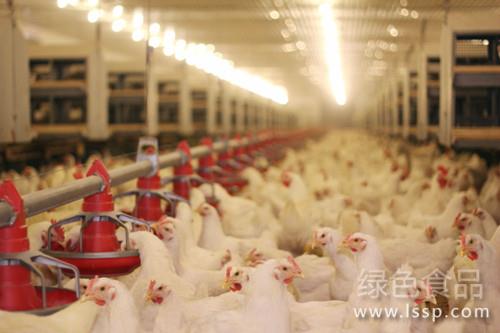
Spray disinfection with chickens present
1. Clean up before spraying: Clean the chicken coop frequently and promptly remove droppings, dirt and dust, so as not to affect disinfection quality.
2. Choose suitable disinfectants: Choose disinfectants that are broad-spectrum and highly effective, non-toxic and harmless, low in irritation, low in corrosiveness and highly adhesive. Generally choose three major categories: surfactants (such as Baidusha), iodine preparations, and chlorine preparations.
3. Prepare the disinfectant solution scientifically: When preparing the disinfectant solution, it is best to dilute it with tap water. When diluting, it must be even, and use it as soon as it is mixed. If well water is used, an appropriate amount of water softener should be added or the disinfectant concentration should be appropriately increased. The dilution temperature should be appropriate to prevent the chickens from catching cold due to spraying.
4. Correct disinfection method: Before spray disinfection, close doors and windows in advance and raise the temperature and humidity of the chicken coop. Start from one end of the coop and move toward the other end while spraying. The mist particle diameter of the aerosol generator should be greater than 50 microns. When spraying, the nozzle should point upward so that the solution slowly falls. All items in the chicken coop should be sprayed evenly, to the extent that the floor, walls and roof are evenly moistened and the surface of the chickens is slightly wet. During disinfection, movements should be gentle and the sound should be low, so as not to frighten the flock.
5. Appropriate spray volume: Spraying is generally 15 milliliters of solution per cubic meter, and it can be appropriately increased in summer. Too large a volume not only wastes disinfectant, but after humidity increases, especially in winter, it affects heat preservation in the chicken coop and easily causes disease; too small a volume fails to achieve the purpose.
6. Proper ventilation: After spraying, open the windows for ventilation so that it dries as soon as possible. In hot summer, ventilation can also relieve stuffiness in the coop. On the contrary, in winter, opening windows for ventilation should be avoided.
7. Pay attention to heat preservation: The chicken coop should maintain a certain temperature, especially during brooding, the coop temperature should be raised by 4°C above normal, and cold and dampness should be dispelled in time, so as to prevent the chicks from getting cold and being crushed to death by piling up.
8. Disinfection frequency: Under normal circumstances, spray disinfection 1-2 times per week. If an infectious disease occurs in the flock, the number of disinfections should be appropriately increased. For spray disinfection, it is best to choose noon when the temperature is relatively high. In addition, spray disinfection should be suspended within three days before and after vaccination of the flock to prevent immunization failure.
9. Alternate use of disinfectants: Although pathogenic microorganisms in the chicken coop are not prone to developing resistance to disinfectants, long-term single use of a disinfectant will reduce the kill rate. Therefore, various types of disinfectants should be used alternately, preferably rotating once a month.