How to deal with low duck-raising profits in winter? Ways to cope with low temperatures and poor environments
In winter, duck raising is prone to high production costs, low survival rates and poor profits due to the effects of climate and environment. Here, the editor explains how to improve winter duck-raising profits.
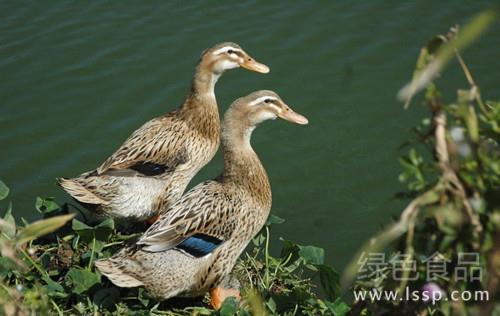
Duck
Hygiene and disinfection:
Hygiene and disinfection work is an important part of duck-raising management. Once winter arrives, the weather is changeable, with much rain and snow, and temperatures drop, causing ducks' adaptability and resistance to decline. Therefore, hygiene and disinfection work must be timely, thorough and effective. Special attention must be paid to environmental hygiene and disinfection in sheds for young and medium ducks, to prevent young and medium ducks from contracting diseases and from poor early growth. Sheds for young and medium ducks should be disinfected with the ducks inside every day, which helps purify the shed floor, litter and air, and prevents young and medium ducks from contracting infectious duck diseases through the respiratory tract and damaged skin.
In winter, duck flocks mostly live indoors, and the cleanliness of the duck shed relates to the overall hygiene level of winter breeding. Practice has proved that dry, hygienic litter directly affects duck weight gain and the feed-to-meat ratio. Wet litter produces large amounts of ammonia, polluting the air in the duck shed, causing disease outbreaks in the flock and affecting growth and development.
Temperature and ventilation:
In winter, temperature, ventilation and the relationship between the two must be resolved and handled. On ordinary farms, heat preservation is mainly regulated by simple stoves, agricultural film and so on, and the shed temperature for ducks of different ages must be strictly adjusted according to technical standards. Before 7 days of age, the temperature is 34°C-27°C; from 8 days to 21 days of age, the temperature is 26°C-18°C; from 22 days of age to slaughter and market, normal temperature (15°C-20°C).
Whether to ventilate should be decided according to the ammonia and carbon dioxide concentrations in the duck shed. Generally, if on entering the duck shed you do not feel eye irritation or difficulty breathing and the temperature is suitable, a small ventilation hole can be opened in the safe ventilation facility above the shed roof for ventilation; if on entering the duck shed you feel eye irritation and difficulty breathing, it means the ammonia and carbon dioxide concentrations are high, and the cause should be identified, such as the dryness of the litter, the hygiene of the drinking and feeding utensils, disinfection and so on. If there is a problem, it should be dealt with promptly, and at the same time the roof ventilation facility or ventilation holes should be opened for large-volume ventilation. Never use longitudinal or transverse ventilation, which causes a sudden drop in room temperature and leads to colds in the duck flock.
Drinking water and water temperature control:
Water is an essential substance for duck growth. Ducks should always be provided with easily accessible, clean and hygienic drinking water, and attention should also be paid to drinking water temperature, especially the drinking water temperature of ducks during the brooding period. The ideal drinking water temperature for ducklings is 20°C-25°C; the ideal drinking water temperature for growing and adult ducks is 10°C or slightly above. In winter, never let ducks drink ice water. If ducks' water intake decreases, within 24-28 hours it will cause a decrease in feed intake, thereby affecting growth, and the flock's resistance to disease will also decrease.