How to prevent and treat infectious rhinitis in domestic rabbits? Be alert to sneezing, nasal congestion and poor appetite
Infectious rhinitis in domestic rabbits is a chronic respiratory disease and one of the main respiratory infectious diseases of domestic rabbits. The disease occurs in all four seasons, especially in winter and spring. Influenza outbreaks increase the chance and severity of infection with this disease, causing harm to rabbit production.
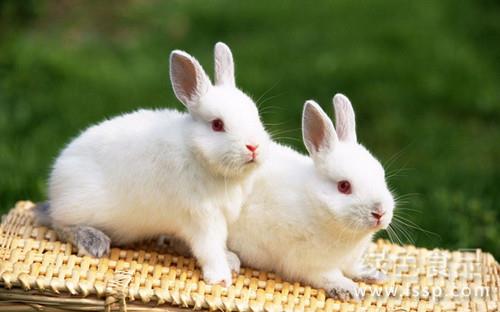
Rabbit
1. Epidemic situation.Symptoms of rhinitis in domestic rabbits are often found in large-scale rabbit farms and among specialized rabbit breeders. Because rhinitis develops slowly, has complex causes and a low mortality rate, sick rabbits do not receive timely treatment, resulting in large-scale spread.
2. Clinical symptoms.Sick rabbits develop mild inflammation of the upper respiratory tract and often sneeze. Rhinitis caused by Pasteurella is mostly manifested as a serous discharge, which later turns into purulent mucous secretion. The nasal cavity of the domestic rabbit becomes severely blocked, breathing is difficult, and there is a snoring sound. Due to irritation from the secretions, sick rabbits often scratch their noses with their front paws, and the fur around the mouth is wet, tangled and even falls out. If not treated in time, the bacteria move downward into the bronchi and lungs, grow and multiply, invade the alveoli, produce inflammation, and secondary pneumonia and bronchitis then suppurate. Sick rabbits have difficulty breathing, poor appetite or complete loss of appetite, until they become emaciated and die. Viral influenza easily causes disease in rabbit flocks, mainly manifested as coughing, itching of the nose, sneezing, watery nasal discharge, and fear of cold.
3. Necropsy lesions.On necropsy of domestic rabbits, a large amount of nasal discharge accumulates in the nasal cavity, and its form varies with the length of the disease course. When the disease changes from acute to chronic, the nasal discharge changes from serous to mucous and then to purulent. Inflammation appears on the skin around the external nares, the nasal cavity and paranasal sinuses are edematous, and the mucosa is red. In the chronic stage, the mucosa thickens.
4. Prevention and treatment measures.
4.1 Strengthen feeding management. Rabbit house construction and rabbit cage placement should be reasonable, and rabbits should not be crowded; in winter, do good work in heat preservation, ensure sufficient light in the house, ventilation and fresh air, increase the feed amount by 20-30% compared with other seasons, and maintain a relatively high energy level and vitamin content in the nutritional level to enhance the disease resistance of rabbits; regularly disinfect rabbit houses and cages, keep rabbit houses clean and hygienic, and improve sanitary conditions.
4.2 Strict epidemic prevention system. Rabbit farms should practice self-breeding and self-raising. When introduction is unavoidable, introduced rabbits must be isolated for a period of time, and only after examination shows no disease may they be mixed into the flock. Regular immunization should be carried out.
4.3 Symptomatic treatment. When sick rabbits are found, immediately isolate and treat them. In treating this disease, both the symptoms and the root cause should be treated, adopting a combination of local and systemic therapy.
4.3.1 For rabbits with mild symptoms, first cut off the wet hair around the nostrils and clean the area locally with a 75% alcohol cotton ball; use chloramphenicol eye drops for nasal instillation, once each morning and evening, 3-5 drops each time; inject kanamycin intramuscularly, 1-1.5 milliliters each time, once each morning and evening, for 3-5 consecutive days. The condition is then controlled, and the treatment effect is obvious.
4.3.2 For sick rabbits with high breeding value, anti-hemorrhagic septicemia serum can be used for treatment, injected subcutaneously at 2-3 milliliters per kilogram of body weight, and injected once more after 8-10 hours.