Hair loss, scabbing, and cracked skin caused by swine sarcoptic mange: how to prevent and treat it?
After late autumn, the light duration is short, skin temperature is constant, and humidity increases. The habit of pigs crowding together and lying in piles to keep warm is conducive to the growth and reproduction of mites. Factors such as dark and damp pig pens, long-term accumulation of manure, bacterial growth, and poor skin hygiene of pigs make swine sarcoptic mange prone to occurrence and spread.
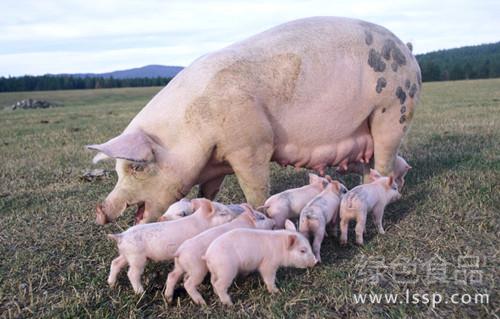
Pig
I. Clinical symptoms:
The lesions usually begin on the head, eye sockets, cheeks, and ears, then spread to the neck, shoulders, back, both sides of the trunk, and limbs. In affected pigs, the hair on the back and inner surface of the ears, shoulder blades, back, rump, udder, and inner side of the hind limbs falls out and becomes disheveled; the pigs become extremely emaciated, and scabs are often found on pen gates, railings, and corners. At the same time, the skin is exposed, body heat is lost in large amounts, and large amounts of stored fat are consumed; the pigs gradually become emaciated and may even die of exhaustion. The incubation period of sarcoptic mange is about 2—4 weeks, and pigs of all ages and breeds can be infected. In short, severe itching, hair loss, scabbing, skin folds or fissures, eczematous dermatitis, spread of affected areas to the surroundings, and high contagiousness are the characteristics of swine sarcoptic mange.
II. Routes of transmission:
Direct contact between affected pigs and healthy pigs, or indirect contact of healthy pigs with pens, bedding straw, and utensils contaminated by mites and their eggs. The habit of young pigs crowding together and lying in piles is an important reason for the rapid spread of sarcoptic mange. In addition, dark and damp pig houses, unhygienic environments, and malnutrition can all promote the occurrence and development of this disease, especially on rainy days, when it spreads fastest.
III. Treatment measures:To allow the drug to fully contact the mites, first wash the affected areas of the pig with soapy water or Lysol water, remove scabs and dirt, and then apply the drug.
1. Use a 2%-4% trichlorfon solution and directly apply, spray, or use as a medicated bath, once a week for 2-3 consecutive times. When treating with trichlorfon, do not wash with alkaline water, so as to avoid poisoning.
2. Amitraz, diluted 100-500 times with water, applied or sprayed on the affected areas; after 7-10 days, repeat once.
3. Chlorpyrifos, diluted 250 times with water depending on the condition of the affected areas, applied to the affected areas, 1-2 times a day for 2-3 consecutive days.
4. Tobacco leaves or tobacco stems, add water at 20 times the amount, soak for 24 hours, then boil for 1 hour, and apply to the affected areas.
The entire development process of swine sarcoptic mites is 8-22 days, with an average of 15 days, and generally 2-3 treatment courses are appropriate. Use the drug at intervals, repeating once every 7-10 days. Because most acaricides at the time can only kill the mites and cannot destroy the eggs, treatment must be given 2-3 times to kill newly hatched larvae; at the same time, acaricides should be sprayed on the pens, cages, and surrounding environment to thoroughly kill the mites.
IV. Preventive measures:
1. Improve the sanitation of pig houses and the environment, disinfect regularly, clear weeds around the pens, and do a good job of insect and mosquito control; change bedding straw frequently, and keep pig pens clean, dry, and well ventilated.
2. If affected pigs are found, they should be isolated and treated immediately to prevent spread. While treating affected pigs, thoroughly disinfect the pig houses and utensils with acaricides, and place the treated affected pigs in disinfected pig houses for rearing.
3. Strengthen feeding management, ensure sufficient light and good ventilation in the pens; improve the disease resistance of pigs, and the density of pigs raised in the same group should not be too high.