- 网站首页
- Livestock Farming
- Prevention and Treatment Methods for Quail Aspergillosis Causing Standing Still and Purple-Blue Oral Mucosal Ulcers
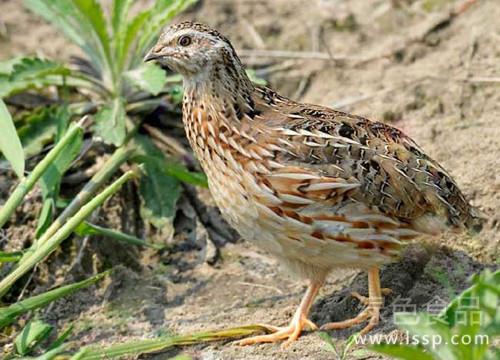
Quail
(1) Epidemiological characteristics: Quail aspergillosis is an infectious disease of the quail respiratory system caused by Aspergillus of the genus Aspergillus. The pathogen mainly attacks the quail respiratory system, and sometimes also forms lesions throughout the body. It is usually caused by healthy quail coming into contact with contaminated moldy feed or litter. Quail of all ages are susceptible, and young quail are highly susceptible.
(2) Clinical symptoms: ① Acute type: Quail within 1 month of age show the acute type. The incubation period is generally 2 to 7 days. At the beginning of the disease, the birds are listless, have reduced appetite, drink frequently, have ruffled feathers, drooping wings, stand still in a corner, and close their eyes with a dull expression. Breathing is panting and rapid, with abdominal breathing, flapping of both wings, and purple-blue discoloration of the comb and oral mucosa. In some cases, there is serous or purulent nasal discharge, inflammation of the conjunctiva, and swelling of the eyelids. In some cases, the skin shows dark brown necrosis. ② Chronic type: Young quail grow slowly, are emaciated, close their eyes and stand still, have an unsteady gait, oral mucosal ulcers, and occasional diarrhea. Adult quail mostly show the chronic type, and female quail lay fewer eggs or stop laying.
(3) Pathological changes: The characteristic lesions are in the quail respiratory system. Yellow-white millet-sized (1 to 3 mm) nodules form in the lungs, evenly scattered, with congestion seen in some lung areas. The serosa of the air sacs thickens, with yellow-white nodules scattered on the surface, and yellow-white fluid exudes inside the air sacs. There is yellow-white purulent secretion in the nasal cavity, and pale yellow thick exudate in the trachea or bronchi. In some cases, the pericardium shows fibrinous inflammatory changes, with hemorrhagic spots on the coronary fat and gray-white small nodular necrotic foci on the surface of the pericardium and myocardium. In some cases, nodular lesions form on the liver, spleen, kidney, and ovary. Abscesses and edema appear in the cerebrum and cerebellum.
(4) Prevention and treatment measures: ① Nystatin 5000 units per bird, 2 times a day, mixed into the feed for feeding, for 5 consecutive days. ② A 1/2000 to 1/3000 copper sulfate solution given continuously for 3 to 5 days, with a 3-day pause, then another course of drinking, can control the condition. ③ 5-fluorocytosine, chlorobenzimidazole, and clotrimazole also have certain efficacy. ④ It is strictly forbidden to feed moldy feed or use contaminated litter. ⑤ Install ventilation equipment in the quail house, and keep temperature and humidity suitable. ⑥ Strengthen feeding management and improve the sanitary conditions of the quail house.
- 请使用count标签查询 Industry News
- 请使用count标签查询 Agricultural Machinery
- 请使用count标签查询 Edible Gardening
- 请使用count标签查询 Grain Crops
- 请使用count标签查询 Fruit Tree Cultivation
- 请使用count标签查询 Flower Cultivation
- 请使用count标签查询 Macadamias
- 请使用count标签查询 Agricultural Products
- 请使用count标签查询 Pests & Diseases
- 请使用count标签查询 Flowers & Gardening
- 请使用count标签查询 Soil & Composting
- 请使用count标签查询 Vegetables
- 请使用count标签查询 Agricultural Technology
- 请使用count标签查询 Growing Techniques
- 请使用count标签查询 Succulents
- 请使用count标签查询 Agriculture Encyclopedia
- 请使用count标签查询 Flowers
- 请使用count标签查询 Plants
- 请使用count标签查询 News
- 请使用count标签查询 Birds
- 请使用count标签查询 Policy
- 请使用count标签查询 Fertilizer
- 请使用count标签查询 Pesticides
- 请使用count标签查询 Nursery Stock
- 请使用count标签查询 Mushroom Cultivation
- 请使用count标签查询 Medicinal Herb Cultivation
- 请使用count标签查询 Fodder & Green Manure
- 请使用count标签查询 Livestock Farming
- 请使用count标签查询 Apple Cultivation
- 请使用count标签查询 Coffee Cultivation
- 请使用count标签查询 Organic Farming
- 请使用count标签查询 Avocados
- 请使用count标签查询 Green Manure
- 请使用count标签查询 Orchids
- 请使用count标签查询 Livestock Farming
- 请使用count标签查询 Melons & Fruits
- 请使用count标签查询 General News
- 请使用count标签查询 Watermelons
- 请使用count标签查询 Oranges
- 请使用count标签查询 Wax Apples
- 请使用count标签查询 Tomatoes
- 请使用count标签查询 Strawberries
- 请使用count标签查询 Pears
- 请使用count标签查询 Cherries
- 请使用count标签查询 Passion Fruit
- 请使用count标签查询 Mangoes
- 请使用count标签查询 Dragon Fruit
- 请使用count标签查询 Blueberries
- 请使用count标签查询 Pepino Melons
- 请使用count标签查询 Pomelos
- 请使用count标签查询 Lychees
- 请使用count标签查询 Bird's Nest Fern
- 请使用count标签查询 Bananas
- 请使用count标签查询 Pothos
- 请使用count标签查询 Pineapples
- 请使用count标签查询 Figs
- 请使用count标签查询 Koi
- 请使用count标签查询 Lemons
- 请使用count标签查询 Cacti
- 请使用count标签查询 Muskmelons
- 请使用count标签查询 Goji Berries
- 请使用count标签查询 Sugarcane
- 请使用count标签查询 Soybeans
- 请使用count标签查询 Rice
- 请使用count标签查询 Cyclamen
- 请使用count标签查询 Peaches
- 请使用count标签查询 Jujubes
- 请使用count标签查询 Sugar Apples
- 请使用count标签查询 Plums
- 请使用count标签查询 Wampees
- 请使用count标签查询 Waxberries
- 请使用count标签查询 Longans
- 请使用count标签查询 Custard Apples
- 请使用count标签查询 Guavas
- 请使用count标签查询 Kiwis
- 请使用count标签查询 Grapes
- 请使用count标签查询 Mulberries
- 请使用count标签查询 Plant Pests & Diseases
- 请使用count标签查询 Salaks
- 请使用count标签查询 Persimmons
- 请使用count标签查询 Starfruit
- 请使用count标签查询 Mint
- 请使用count标签查询 Mangosteens
- 请使用count标签查询 Durians
- 请使用count标签查询 Papayas
- 请使用count标签查询 Cilantro
- 请使用count标签查询 Sweet Potatoes
- 请使用count标签查询 Bitter Melons
- 请使用count标签查询 Chili Peppers
- 请使用count标签查询 Ginger
- 请使用count标签查询 Millet
- 请使用count标签查询 Pumpkins
- 请使用count标签查询 Herbs
- 请使用count标签查询 Peanuts
- 请使用count标签查询 Cauliflower
- 请使用count标签查询 Loquats
- 请使用count标签查询 Coffee Cultivation
- 请使用count标签查询 Winemaking
- 请使用count标签查询 Organic Tea Garden
- 请使用count标签查询 Tea
- 请使用count标签查询 Seed Industry
- 请使用count标签查询 Livestock Farming
- 请使用count标签查询 Aquaculture
- 请使用count标签查询 Specialty Farming