What should be done when a lamb has indigestion, severe diarrhea, emaciation, and complete loss of appetite?
If a lamb is not only emaciated but also has diarrhea of varying degrees, it is very likely suffering from lamb indigestion. So what should be done about lamb indigestion?
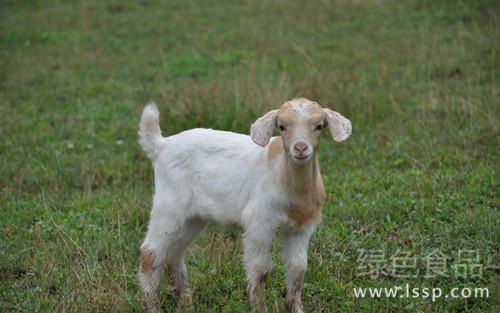
Lambs
Causes: First, rough feeding management of the ewe during pregnancy. Especially in late pregnancy, insufficient nutrients in the feed, lack of protein, minerals, vitamins, etc., directly affect fetal growth and development and the quality of breast milk. Second, improper feeding of lactating ewes and lambs, with lambs being harmed, and artificial feeding not being done at fixed times, in fixed amounts, and at a fixed temperature. Third, toxic indigestion, which mostly develops from simple indigestion.
Symptoms: Simple indigestion: body temperature normal or slightly low, mild diarrhea, feces becoming thin. As time goes on, the feces turn grayish yellow or grayish green, mixed with bubbles and yellow-white curd lumps, with a sour foul odor. Intestinal sounds are loud, with abdominal distension and abdominal pain. Heart sounds are intensified, and heartbeat and respiration are accelerated. Diarrhea is continuous, and in severe cases there is dehydration, reduced skin elasticity, and dull coat. The eyeballs are sunken, the animal stands unsteadily, and the whole body trembles.
Toxic indigestion: The sick lamb is depressed, with dull eyes, complete loss of appetite, weakness, lying on the ground unable to stand, and the head and neck drawn backward. Body temperature rises, with generalized trembling or spasms. In severe cases there is diarrhea, with mucus and blood mixed in the feces, a putrid odor, relaxed anus, and involuntary passage of feces. The eyeballs are sunken, and the skin lacks elasticity. Heart sounds become weak, the rhythm is irregular, the pulse is thin and weak, and respiration is shallow. In the late stage of the disease, body temperature drops, the limbs and ears become cold, until coma and death.
Prevention and treatment methods:
Strengthen feeding management, improve sanitation conditions, use drugs to maintain cardiac and vascular function, inhibit bacteria and reduce inflammation, prevent acidosis, inhibit fermentation and putrefaction of gastrointestinal contents, supplement water and electrolytes, and feed green hay and carrots.
Place the sick sheep in a warm, dry place and fast it for 8—10 hours, and give it oral electrolyte solution for livestock and poultry. For lambs, use oil-based or salt-based laxatives to remove gastrointestinal contents, and 30—50 milliliters of liquid paraffin can be administered orally. To promote digestion, 10—30 milliliters of artificial gastric juice can be administered orally at one time, or 0.5 grams each of pepsin, pancreatin, and amylase can be added to water and administered orally at one time, once daily, for several consecutive days.
To prevent intestinal infection, antibiotics can be used to treat lambs with toxic indigestion. Per kilogram of body weight, streptomycin 200,000 units, neomycin 250,000 units, or kanamycin 50 milligrams, choose any one and administer orally. Or use sulfonamide with an initial dose of 0.5 grams and a maintenance dose of 0.2 grams administered orally, twice daily, for 3 consecutive days. For severe dehydration, 500 milliliters of 5% glucose saline, 50 milliliters of 5% sodium bicarbonate, and 3 milliliters of 10% sodium camphorsulfonate can be mixed and injected intravenously.