In early spring, piglets showing a preference for lying down, shivering, complete loss of appetite, and diarrhea require strict prevention of paratyphoid
Piglet paratyphoid, also known as salmonellosis, is mainly caused by Salmonella choleraesuis and Salmonella typhi, with piglets aged 2—4 months being most susceptible. In early spring, the climate is changeable and temperature fluctuations are pronounced; if the rearing environment is even slightly unsuitable, the disease is easily triggered and must be carefully prevented and treated.
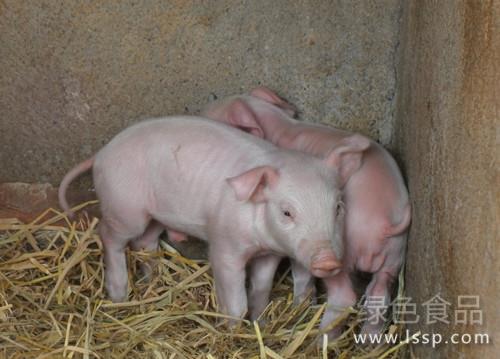
Piglet
Clinical features are divided into acute and chronic. 1) Acute type, presenting septicemia symptoms. Sudden onset, piglet body temperature rising above 41°C, poor appetite, later complete loss of appetite, listlessness, preference for hiding in bedding straw, shivering. Viscous secretions from the nose and eyes, initially constipation, later diarrhea, passing pale yellow, foul-smelling loose feces. 2—3 days after onset, purple spots appear on the skin of the nose tip, ears, neck, abdomen, and inner sides of the limbs; the sick pig rapidly loses weight, stands with head lowered in a daze, has a staggering gait, body temperature drops, and soon dies of exhaustion.
2) Chronic type. Chronically affected pigs have a slightly elevated or normal body temperature, are listless, often lie in piles together, have appetite, which is lost in the later stage; some drink dirty water eagerly before death; some develop eczema-like changes on the skin. Due to persistent diarrhea, the sick pig gradually becomes emaciated and weak, with rough, dull back hair and staggering gait, eventually dying of exhaustion. The chronic course mostly lasts more than half a month, sometimes even up to 2 months; pigs that do not die stop growing and become runt pigs.
Preventive measures: 1) Early spring temperatures vary greatly, so attention must be paid to keeping piglets warm; at noon, piglets may be allowed appropriate sun exposure. Keep the pen clean and dry, wash the feed trough frequently, and ferment the manure for treatment. 2) Strengthen feeding management; newborn piglets should receive colostrum early, and supplemental feed should be provided ahead of time to prevent them from eating dirty things indiscriminately. When weaning and grouping, the environment should not change abruptly, and the pig groups should be as small as possible. 3) Before and after weaning (over 1 month of age), piglets should be orally given attenuated live freeze-dried vaccine for piglet paratyphoid. 4) After an outbreak on a large-scale pig farm, sick pigs should be isolated for treatment, and the pig house thoroughly disinfected. For pigs that have not become ill, drugs may be used for prevention, adding 100 grams of chlortetracycline per ton of feed.
Treatment methods: 1) The drug of first choice is chloramphenicol; the oral dose for piglets is 50—100 mg/kg body weight per day, given orally in 2—3 divided doses; the intramuscular injection dose is 10—30 mg/kg body weight per day, injected in 2—3 divided doses, for 4—5 consecutive days; if the condition is more severe, it may be used for 2—3 more days. In addition, antibiotic drugs such as oxytetracycline and neomycin may also be used. 2) Furazolidone (furazolidone) oral dose is 20—40 mg/kg body weight per day, given orally in 2 divided doses; after 3—5 consecutive days, reduce the dose by half and continue for 3—5 days. 3) Compound sulfamethoxazole, 70 mg/kg body weight per day, doubled for the first dose, given orally in 2 divided doses, for 3—7 consecutive days. 4) Mash 5—5 grams of garlic into garlic paste and give it orally to piglets, 3 times a day, for 4—6 consecutive days.