How to handle shrimp feed reduction caused by white feces polluting water quality
In shrimp farming, it is common to see white feces floating in shrimp ponds, slender and sticky, with shrimp showing obvious feed reduction. The following situations occur:
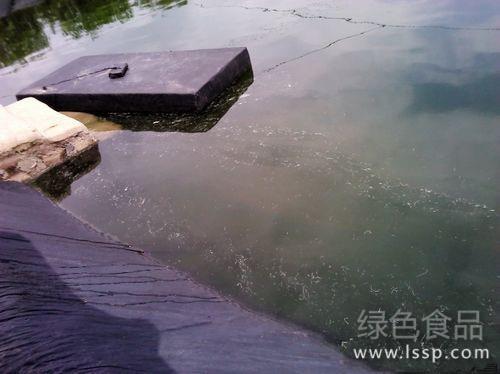
Shrimp white feces
1. Poor bottom substrate causing acute poisoning:
Shrimp live at the bottom of the pond. Heavy feeding or algae die-off leads to a toxic accumulation layer at the pond bottom. When shrimp grow in this environment for a long time, the digestive tract secretes large amounts of viscous mucus, forming white feces. After a large water exchange, treat with “Ozone Water Safe” + “Bottom Oxygen”. In severe cases, use twice, and the next day use “Bottom Clever” + “Speed Adjust 107” to biologically degrade toxic substances. Mix into feed the four-piece intestinal health set: “Enzyme-Producing Probiotics + Strong Effect EM + Aquatic Feeding Attractant Yeast + Electrolytic Active Multivitamins”.
2. Mold influence:
In hot and humid seasons, feed is prone to mold. Mold and its toxins cause shrimp to excrete white feces. Periodically mix into feed “Mold Remover + Oligosaccharide 863 + Coarse Salt + Lactic Acid Bacteria” to inhibit mold reproduction. At the same time, feed should be stored in a ventilated and dry place.
3. Shrimp ingesting harmful algae:
Excessive reproduction of harmful algae causes dense water, and shrimp show precursors such as intestinal bending and blackening. Shrimp ingesting undesirable algae leads to intestinal mucosa necrosis or even complete shedding, resulting in white feces. Dense water caused by undesirable algae such as blue-green algae, euglenoids, and dinoflagellates easily causes white feces. For blue-green algae, treat with copper preparations or other algicides; for flagellated algae such as naked dinoflagellates, treat with chlorine dioxide or bleaching powder, then introduce new water, detoxify with “Green Water Detox Safe”, supplement with “Liyisheng” or “Strong Effect Lactic Acid Bacteria”, and simultaneously administer liver-protecting drugs orally.
4. Chronic poisoning and other causes leading to shrimp liver lesions:
Poor water quality, poor bottom substrate, environmental stress, and long-term overfeeding lead to shrimp liver atrophy and necrosis, with diseased tissue and mucus expelled through the digestive tract, forming white feces. Feed can be appropriately reduced, and orally administer “Bencao Guben Kang” or “Jundu Shuangke” + “Oligosaccharide 863” + “Speed Adjust Quick Supplement” to regulate the liver.
5. Vibrio infection causing acute enteritis in shrimp:
Vibrio multiplies in large numbers, the intestine becomes inflamed, and in the early stage, feces shedding occurs. In severe cases, feed intake drops sharply and large amounts of white feces appear. Reduce feed, feed a small amount mixed with “Oxytetracycline + Garlic Essence” for 3-5 days, then mix into feed large amounts of “Lactic Acid Bacteria + Oligosaccharide 863”. Treat the water body with mild disinfectants such as “Povidone Iodine”, and treat the bottom with “Ozone Water Safe”.
At present, once shrimp white feces occurs, treatment is rather difficult, so prevention should be the priority. First, in daily feeding, regularly mix into feed “Enzyme-Producing Probiotics” together with “Strong Effect EM”, “Aquatic Feeding Attractant Yeast”, and “Oligosaccharide 863” to regulate the intestine. Shrimp intestines become thick and bright, feeding is active, and white feces or empty intestine phenomena decrease. Second, strictly control shrimp feed intake, do not blindly increase feeding, and reduce feed pollution of water quality and intestinal damage. In addition, daily water quality conditions should be kept good, and regularly use “Bottom Clever” and “Bottom Oxygen” to improve water quality, providing shrimp with a bacteria-algae balanced and water-quality stable environment. If a small amount of white feces appears, promptly analyze the cause, find the source of the disease, and apply the right treatment. If it cannot be identified, use “Chinese herbal medicine + Povidone Iodine” for disinfection, “Ozone Water Safe” to improve the bottom, and at the same time reduce feed and mix into feed large amounts of “Bencao Guben Kang + Oligosaccharide 863 + Oxytetracycline” for 3-5 days, then mix into feed “Strong Effect Lactic Acid Bacteria + Oligosaccharide 863”.