Hygiene Management and Disease Prevention Measures for Organic Calves
Organic calves have a red or yellow coat color, with lighter hair around the mouth, nose, and eyes, on the inner sides of the limbs, and on the tail tuft; the horns are white and the hooves are reddish-brown. The head is relatively short and small, the forehead is broad, the chest is broad and deep, the body is relatively long, the hindquarters are well muscled, and the limbs are thick and short. The following introduces the feeding techniques for organic calves:
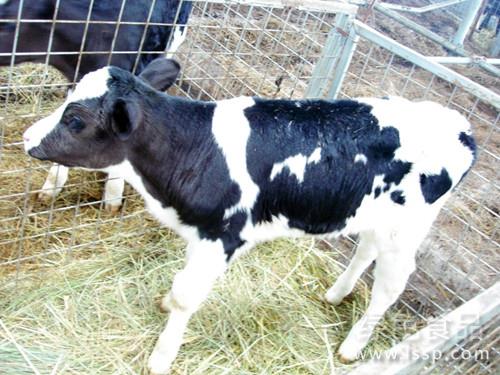
Calves
1. Handling of newborn organic calves: After an organic calf is born, first clear the mucus from the mouth, nose, and ears to ensure unobstructed breathing, peel off the soft hooves, disinfect the umbilical cord with iodine, then weigh, number, and record it, and then move it to the calf pen for artificial feeding, with bedding straw spread underneath.
2. Nursing hygiene: After feeding milk, the mouth of the organic calf must be wiped clean, and it should continue to be held in the neck yoke for about 10—15 minutes; after the calf's suckling reflex excitement has decreased, release it to avoid calves sucking each other. Keep nursing utensils clean and hygienic, and regularly clean and disinfect nursing utensils, with cleaning and disinfection required twice daily.
3. Organic calf pen hygiene: Within 10 days after birth, organic calves should be raised individually so they can receive individual care and be protected from infection. Clean the organic calf pen frequently, keep it clean and dry, and disinfect it regularly, once a week.
4. Exercise and light: 10 days after the calf is born, the calf may be allowed to move freely in the exercise yard for 30 minutes; as the age in days increases, the exercise time should gradually be extended, but avoid exposure to the midday sun, and do a good job of cold protection and warmth in winter.
5. Grouping and weaning: 90 days after the calf is born, weaning may be carried out only when the concentrate feed intake reaches 1.5 kg/day; after weaning, strictly implement grouped feeding and management by age segment and body weight.
6. Positioning and brushing period: During the suckling period and the feeding process after weaning, calves should be trained for positioning so that they develop the good habit of entering the yoke to eat, and at the same time it is convenient to brush or wash the calves every day, achieving human-animal affinity and facilitating future management.
7. Weighing and body measurement: According to breeding regulations, measure weaning weight, and body measurements and body weight at 3 and 6 months of age.
8. Disease prevention: Veterinarians and feeders should observe the calf's appetite, mental state, and manure condition every day, so that diseases can be discovered early and treated early. According to veterinary epidemic prevention regulations, do a good job of vaccination and other work.