In winter, meat sheep easily lose body condition; supplementary feeding plus salt and warmth help them gain weight
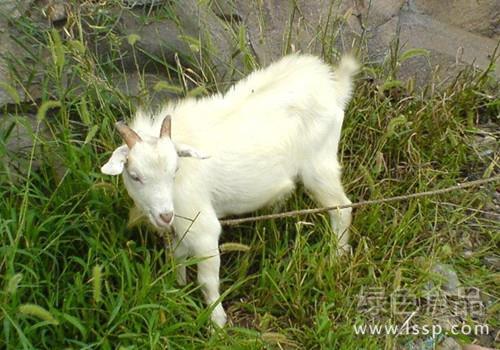
Sheep
1. Keep them in warm pens to prevent colds:As the saying goes: "A warm pen adds three parts of body condition." Before winter arrives, the sheep pen must be repaired well, and the sheep shed must be kept warm. Guard against drafts; seal doors and windows with plastic film, hang straw curtains at night, and keep the floor dry to prevent damp cold. If the sheep shed is drafty in many places and too cold, the sheep's own nutrient consumption increases, and even with the best feeding, it is hard to maintain winter body condition. Therefore, the most effective way to reduce heat loss from the sheep's body is to build a good warm shed. In the severe cold of winter, letting meat sheep live in a warm shed can greatly reduce heat loss from their bodies, prevent them from getting chilled, prevent colds, and ensure that the meat sheep pass the winter safely.
2. Prepare enough forage to maintain winter body condition:Sheep are herbivores and should be fed mainly on grass. To maintain the body condition of sheep in winter, enough forage for the flock to pass the winter must be prepared. According to the number of sheep and the amount needed, widely collect various green grasses, hay, tree leaves, vegetable trimmings, vegetable leaves, crop straw, and so on. All of these can be ammoniated, alkalized, or piled and stored for feeding, and can also be made into silage and fermented feed. Among concentrates, corn, barley, bran, oilseed meal, distillers' grains, and the like are all good feeds for sheep.
3. Clever winter grazing and nighttime supplementary feeding:In winter, most ewes are already pregnant. Although the weather is cold, they cannot always lie still without moving, otherwise it is bad for both the pregnant ewes and the fetuses. Appropriate exercise should be combined with grazing, which can also save forage. For winter grazing, the flock should be grazed in low-lying, warm gullies that are sheltered from the wind and face the sun, to prevent attacks by strong winds. For winter grazing, sheep should go out late and return early, going out against the wind and returning with the wind. This is because going out late and returning early takes advantage of the warmer part of the day. Grazing against the wind can prevent the fleece from being blown open and helps keep them warm. If they do not eat enough during daytime grazing, they should be fed a nighttime feed after returning. Sheep are ruminants with strong digestive capacity, so night grass can be added, along with supplementary concentrate and an appropriate amount of mineral feed, to meet the dual needs of breeding sheep, pregnant ewes, and fetuses.
4. Salt whets the appetite and water fills them up:Some people say winter sheep are hard to raise, and salt water keeps body condition. This means that although sheep are hard to raise, as long as salt is added to their drinking water, they will eat more grass and like to drink water, making it easy for them to gain body condition. This makes a lot of sense. Salt whets the appetite and aids digestion, so sheep are less likely to bloat, eat well, and have fewer illnesses. If drinking water is insufficient, the sheep's omasum (manyplies) and nose will become dry, they will not like to eat grass, and they are prone to omasum dryness disease. But sheep cannot drink water that is too cold, and certainly cannot drink ice water, because in winter when it is cold, drinking a bellyful of cold water will cause body temperature to drop sharply, making them prone to colds and fever. Pregnant ewes especially cannot stand it and are prone to miscarriage, so it is best to drink warm water.
5. Ensure safety and prevent miscarriage:When winter arrives, with severe cold, heavy snow, and slippery roads, and with ewes in the pregnancy period, care must be taken to protect the fetuses. During grazing, prevent fright, slips and falls; do not walk on steep slopes or cross gullies. Prevent interference from stray dogs, so as to avoid startling the flock and causing it to stampede. When pregnant ewes enter and leave the pen gate, prevent crowding, to ensure the safety of pregnant ewes and avoid miscarriage. When grazing pregnant ewes, do not go too far from home, to prevent excessive fatigue, and once a ewe gives birth to a lamb, it can also be handled promptly.