Key points of artificial breeding technology for yellow eel (Monopterus albus): simple breeding, low cost, good benefits
The yellow eel (Monopterus albus), also known as the eel or long fish, has tender flesh and a delicious taste, with few bones and spines, and is rich in protein, multiple vitamins and minerals. The yellow eel has strong adaptability, tolerates low oxygen and hunger, and is easy to transport. Its breeding method is simple, the cost is low, and the economic benefit is high, making it suitable for small-scale farming.
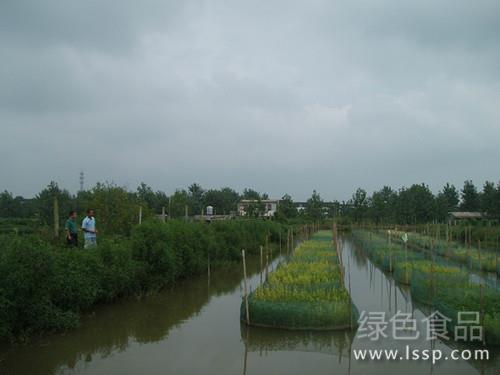
Yellow eel breeding
I. Construction of the eel pond:
The yellow eel breeding pond should be built in a wind-sheltered, sunny place close to a water source. The area should be adapted to local conditions, generally 50—100 sq m. The pond depth is 1—1.5 m, and the shape is rectangular, square or oval. It can be built with materials such as cement, strip stone, bricks and lime-sand mixture, and finally the joints are pointed with cement. Hard ground can also be used, but a layer of asphalt felt must be laid around the pond and on the pond bottom. To prevent the yellow eels from escaping, the top of the pond wall should be made into a "T" shape with bricks, and the top of the pond ridge should be more than 30 cm above the water surface. The inlet and outlet pipes and the overflow pipe must be firmly sealed with wire mesh to strictly prevent the yellow eels from escaping.
After the yellow eel pond is cleaned and disinfected, lay a layer of stones, bricks or tree roots on the bottom, then spread a 30 cm thick layer on top of suitable softness and hardness, river mud rich in organic matter, or loam composted with green grass and cow dung, to create a comfortable artificial burrow for the yellow eels. Then add fresh water so that the water depth is 5—15 cm. Finally, plant aquatic plants on the pond surface, such as wild rice stem, arrowhead and water hyacinth, which can both shade the yellow eels and lower the water temperature, benefiting the growth of the yellow eels.
II. Selection and stocking of seedlings:
1. Be sure to select eel seedlings with a strong physique, no injuries, lively swimming, uniform size, thick muscle, no parasites on the body surface and bright yellow body color. Yellow eels with a whitish body surface, broken skin, broken tails, or wounds at the mouth and gill bones are not suitable for stocking.
2. Stocking: after the yellow eel pond is disinfected and filled with water, the eel seedlings can be released once the water temperature is above 15°C. Before stocking, the eel seedlings should first be soaked in 10 ppm bleaching powder or 3—45 salt water for 15—20 minutes to kill pathogens on their body surface. For eel seedlings of 30—40 per kg, the stocking density is 50—150 per sq m. Stock 8—10 loaches per sq m and let them dart up and down to improve the water environment.
III. Feeding management:
1. Proper feeding: the yellow eel is mainly carnivorous and especially likes live feed, but some plant-based feed can also be given. After the yellow eels enter the pond, they must immediately be fed and domesticated so that they can eat a variety of compound feed and can feed at around 9 a.m. and around 4 a.m. Yellow eels feed vigorously at 25—30°C, so May—September is the peak feeding period. The general feeding amount is 3—5% of the fish body weight. In the peak growing season of June—August, the feeding amount can be increased to 6—7%, feeding twice a day. Achieve feeding at fixed times, in fixed amounts and at fixed locations.
2. Water level control: the water level must be kept at 5—15 cm for a long time and must not exceed 20 cm, so that the yellow eels can stick their heads out of the water to breathe air.
3. Water quality regulation: generally, in spring and autumn, the water can be changed once every 6—8 days, and in summer once every 2—3 days. At the same time, remove residual bait and debris from the pond every day, always keeping the water quality fresh.
4. Overwintering management: when the water temperature drops below 15°C, the yellow eels begin to burrow deep into the soil layer to overwinter, until February of the following year. During the overwintering period, the pond water should be drained, and a layer of rice straw or wheat straw should be spread on top to keep the mud moist and the soil layer humid.
In short, during the breeding process of the eel, in addition to strengthening feeding and strictly controlling the water level and water quality, it is also necessary to often check the blocking nets, especially in the flood season, and do a good job of preventing escape. In addition, prevent harm from pesticide pollution and from water rats, snakes, cats and so on.