Control methods for Newcastle disease in quail causing excessive drinking, loss of appetite, severe diarrhea and low egg production
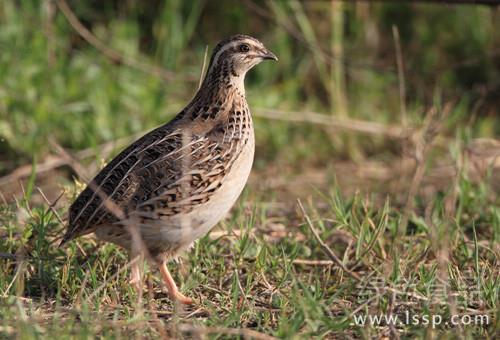
Quail
(1) Epidemic characteristics: Newcastle disease in quail is a septicemic, acute, febrile infectious disease caused by Newcastle disease virus. It mostly occurs in the late stage of a Newcastle disease outbreak in chickens. After the virus invades quail, it causes septicemia and a high mortality rate. It can occur in all four seasons, but is more common in spring and autumn. The saliva, feces and other excretions of sick quail all contain large amounts of the virus, which is transmitted through feed, drinking water and utensils. When sick quail cough or sneeze, the virus can also spread through the air. Young quail aged 40 to 70 days are affected more often, while those over 7 months of age have a lower incidence. The mortality rate is 50% before laying and drops to 10% after laying begins, but the course of the disease is longer and egg production decreases.
(2) Clinical symptoms: In the most acute form, the disease develops rapidly, with no clinical symptoms shown, and sudden death occurs. In the acute form, body temperature rises at the beginning, the birds are listless, and appetite decreases (or is completely lost), but they are eager to drink. When held upside down, a large amount of mucus flows from the mouth. They walk slowly, stand apart from the flock in a daze, close their eyes and draw in their necks, and the wings and tail droop. The comb and wattles turn purple. Breathing is difficult, often with wheezing sounds. Diarrhea is severe, with yellow-white or yellow-green droppings that sometimes contain blood. Laying quail show a decline in egg production and an increase in soft-shelled and white-shelled eggs. In cases with a long course, symptoms such as leg paralysis and incoordination appear. Death generally occurs in 2 to 3 days. The chronic form is mostly seen in the later stage of the disease, with obvious neurological symptoms: excitement, paralysis, spasms, incoordination, unsteady gait, tilted head and neck, occasional convulsions, and involuntary movements. The wings droop, the body becomes emaciated, diarrhea occurs from time to time, and finally death follows.
In recent years, the epidemic symptoms of Newcastle disease in quail have been atypical, showing listlessness, a sharp decline in both feed intake and egg production, and sporadic deaths. The droppings are light green and somewhat loose, with mild respiratory symptoms. At night, other symptoms such as neurological signs may appear in chronic cases.
(3) Prevention and control measures: ① Strengthen feeding management, and it is strictly forbidden to raise other poultry together in the quail house. Add multiple vitamins to the drinking water to improve the resistance of quail and reduce stress reactions. Keep the quail house and exercise yard clean and hygienic, insist on regular disinfection, and cull quail that have already become ill or are weak.
② Prevention in the quail flock: a. Quail aged 5 to 7 days can be vaccinated with the chicken Newcastle disease strain II attenuated vaccine or Newcastle disease Clone 30 by nasal or eye drop. Then drinking water immunization is carried out at 28 to 35 days and 60 to 70 days of age respectively. b. Intramuscular injection of inactivated vaccine. Around 35 days of age, 0.3 milliliters per quail. Using attenuated vaccine together with inactivated vaccine can produce a booster immune effect. c. On the night before drinking water immunization, stop the water supply so that the quail feel thirsty, then the next morning put out water with the vaccine so that all quail can drink, and finish drinking within 2 hours. d. For 3 days before and after immunization, provide the quail with a nutritionally balanced feed, paying attention to the balance of amino acids, vitamins and so on, so that the whole flock maintains strong disease resistance.
③ Emergency prevention in affected quail flocks:
a. Emergency vaccination: Newcastle disease strain II attenuated vaccine or Newcastle disease Clone 30 vaccine at 4 times the dose in drinking water, combined with leukocyte mediator, gives a better effect. b. Emergency vaccination with avian interferon plus avian interleukin. c. Newcastle disease nucleic acid preparation can be used for drinking water vaccination. d. Strengthen nutrition, supplement various vitamins, and strengthen disinfection. e. Use antibiotics for the whole quail flock to prevent secondary infection and reduce mortality, and use Chinese herbal preparations to promote recovery of egg production.