Spring is the right time to prevent and treat bovine eye worm disease; itchy, dry eyes can lead to blindness
Bovine eye worm disease is caused by Thelazia nematodes parasitic in the conjunctival sac of cattle eyes and under the nictitating membrane (third eyelid); if they parasitize in the lacrimal duct, they can also cause it. Bovine eye worm disease can cause inflammation of the conjunctiva and cornea in cattle; due to exuded mucus or secretions, erosion often occurs, with itchy and dry eyes, burning, photophobia, and light sensitivity. If not treated in time, it often leads to blindness in cattle.
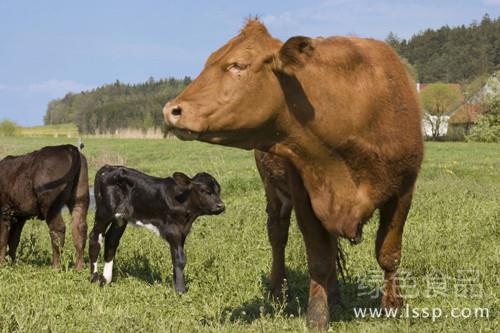
Cattle
Cattle of all ages and breeds can be infected, with young calves most commonly affected; generally, grazing herds are more susceptible to infection than housed cattle. This is related to the epidemiology of bovine eye worm disease and the seasonality of cattle activity; cattle mostly begin to develop the disease in May and June, with the worst in August and September, being mild in winter and severe in summer. The intermediate hosts of the bovine eye worm are house flies; mature female worms lay motile viviparous larvae in the secretions within cattle eyes. If a fly licks the eye secretions of cattle, it can swallow them, and they develop into larvae inside the fly. When the fly again sucks cattle eye secretions, the larvae are discharged from the fly's proboscis into the cattle eye, and after about 20 days, they develop into adults in the cattle eye, thereby infecting the cattle with bovine eye worm disease. Female worms that overwinter in cattle eyes are the main source of the bovine eye worm disease epidemic the following spring. Therefore, spring is a great opportunity to prevent and treat bovine eye worm disease.
Symptoms: When cattle contract eye worm disease, the conjunctiva becomes red, congested, and swollen; the cattle are afraid of light and photophobic, with tearing. After conjunctivitis worsens, serous and purulent secretions flow from the eyes, the eyelids swell, and finally the cornea becomes cloudy with round ulcers; in severe infestations, blindness occurs, causing serious harm. Affected cattle have difficulty grazing, reduced appetite, are restless, constantly shake their heads, and milk production declines, causing large economic losses.
Diagnosis: Pull open the cattle eye and find thread-like, milky white worms about 10-20 mm long moving inside; the worms sometimes swim to the surface of the eyeball, making them easier to find. If a smear can be made from cattle tears and larvae are detected under a microscope, the diagnosis can be even more definitive.
In winter and spring, female bovine eye worms overwinter in cattle eyes. Taking advantage of this characteristic, seize the period from December to March to treat and deworm in a timely manner in epidemic areas, which can kill the female worms and effectively block the reproduction of the bovine eye worm. To eliminate the bovine eye worm, there are the following methods:
Capture and removal method: Use tweezers to capture the bovine eye worm. Method: Gently press the inner corner of the eye with a finger, then use sterilized tweezers to lift the nictitating membrane of the cattle eye; if milky white nematodes are found, they can be quickly captured.
Medicated liquid irrigation method: Use a 1:2,000 iodine solution and inject it under the nictitating membrane with a syringe with a rubber tip, injecting 50-75 ml into each eye. A 1% trichlorfon solution can also be used, injecting 3-4 ml into each eye, or 2%-3% boric acid water. Method: Irrigate once every other week, and after 2-3 irrigations, the worms can be washed away.
Eye-drop insecticidal method: Use 5% silver vitellinate solution and drop it into the conjunctival sac of the cattle eye, three to four drops in each eye; for calves, two to three drops, once in the morning and once in the evening, which can effectively kill the worms.