Prevention and Control of Viral Diarrhea in Piglets: Beware of Vomiting, Watery Diarrhea, Dehydration and Exhaustion
Spring is still relatively cold, and piglets, especially newborn piglets, are prone to viral diarrhea. Viral diarrhea is a highly contagious acute intestinal infectious disease of pigs caused by viruses such as porcine epidemic diarrhea virus, porcine transmissible gastroenteritis virus and rotavirus. It has a high incidence rate and affects a wide area. Once it occurs, if treatment is not prompt, it will cause mass deaths and major losses.
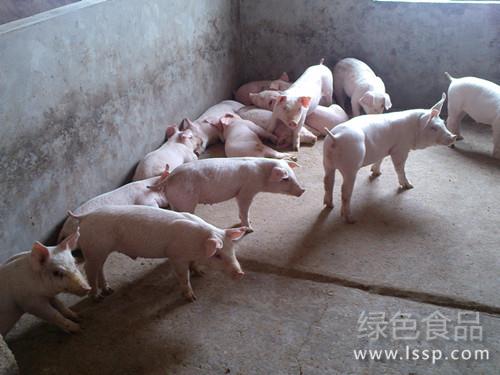
Piglet
1. Main symptoms: Viral diarrhea mostly occurs in piglets aged 1—3 days, at the earliest 1—2 days of age, and at the latest 5—7 days. Sick pigs are depressed, with rough hair coats, and body temperature is normal or slightly elevated. Some suckling piglets vomit within 12 hours after birth, and the vomit contains yellow-white milk curds, followed by acute diarrhea, with yellow, yellow-white, yellow-green watery or scrambled-egg-like feces, which adhere around the anus. After diarrhea, piglets show rapid dehydration and emaciation; in severe cases, acid-base balance is disturbed, and they finally die of dehydration and exhaustion. The piglets that do not die all become stunted pigs. If this disease is poorly managed, morbidity and mortality are high. The mortality rate varies according to age; the younger the age at onset, the more severe the symptoms and the higher the mortality rate.
2. Prevention and control methods: 1. Inject 0.1 ml enrofloxacin injection per kilogram of body weight intramuscularly, twice a day for 3 consecutive days. Alternatively, inject 0.3—0.5 ml of Changyanling injection per kilogram of piglet body weight intramuscularly, twice a day. 2. Rehydrate promptly to prevent dehydration. On the basis of injectable medication, supplement oral rehydration salts as early as possible. Preparation of oral rehydration salts: refined sodium chloride 35 grams, sodium bicarbonate 25 grams, potassium chloride 15 grams, glucose 200 grams, water 10 kilograms; mix and dissolve to make the solution. For piglets with no desire to drink, a syringe can be used to supply water, administering 50—80 ml each time, 5—6 times a day. 3. Repair the intestinal mucosa of piglets as early as possible and maintain the balance of intestinal flora. Rice can be cooked into porridge, and the porridge water can be given for drinking. Fermented suckling pig feed can also be used, 100—200 grams per pig per day, which can both repair the mucosa and promote villus regeneration and promote digestion and absorption. 4. Strengthen feeding management, especially the sanitation of the farm and pens, keep the pens dry, and carry out disinfection work well. 5. Do a good job in heat preservation. The heat preservation of suckling piglets is related to the raising of growing pigs. At the same time, the air in the pens should be kept fresh, the health level of the pig herd should be improved, and disease resistance should be enhanced. All pig farms should take precautions, intensify the prevention and control of viral diarrhea in piglets, and ensure the healthy development of pigs.