How to prevent spring fatigue deaths in sheep? Stock up on forage and carry out deworming and vaccination in good time
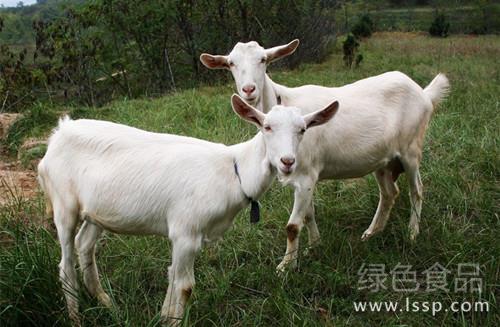
Sheep
1. Stock up on enough forage for winter and spring. The phenomenon of winter thinning and spring fatigue in sheep is mainly due to a shortage of forage in winter and spring, which leads to weight loss, nutritional depletion, and reduced resistance in sheep, followed by death after infection with external diseases. To solve this problem, the main thing is to stock up on enough forage and feed. Not only should forage and feed for overwintering be prepared, but forage and feed for spring should also be fully stocked. The amount of forage and feed to store should be calculated according to the number of sheep on hand and the number of lambs born in winter, with no less than 5 months' worth of forage and feed stored. It is best to store a certain amount of silage forage every year.
2. Carry out deworming in good time. Parasites are highly prevalent in sheep in spring, so planned deworming work must be done well, and deworming should be carried out in the previous winter. The main cause of spring fatigue deaths in sheep is nematodes, whose pathogens are various nematodes of the family Trichostrongylidae , including nematodes of the genera Haemonchus, Ostertagia, Teladorsagia, Marshallagia, Cooperia, Nematodirus, Nematodirella, and others. For deworming, ivermectin preparations can be used at 0.3 mg per kilogram of body weight, or albendazole preparations can be used at 10-15 mg per kilogram of body weight.
3. Carry out vaccination on schedule. Infectious diseases occur frequently in sheep in spring, including sheep pox, clostridial diseases, streptococcal disease, and mycoplasma pneumonia. Each farm needs to carry out vaccination on schedule according to the epidemic situation of the diseases, and in particular should do a good job of vaccination in the previous autumn. In areas where peste des petits ruminants is prevalent, full coverage vaccination should be carried out, with one vaccination providing three years of protection.