Feeding Cattle Cottonseed Cake: Beware of Poisoning - Bloody Urine, Edema, Convulsions and Unsteady Standing Are Typical Symptoms
Cotton seeds have commercial value for their oil and other products. Cottonseed oil can be used as salad oil and cooking oil, and after hydrogenation as shortening and margarine. The cake residue or seed kernels left after oil extraction can be used as feed for poultry and livestock. However, cottonseed cake produced by traditional pressing contains a relatively high amount of gossypol toxin, and if it is used in large quantities or over a long period to feed cattle, poisoning will occur.
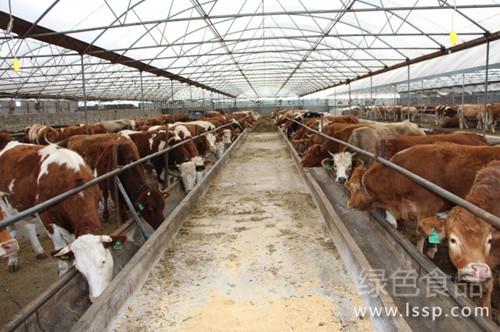
Cattle
Symptoms of cottonseed cake poisoning in cattle:
Affected cattle are depressed, have reduced or even lost appetite, reduced or stopped rumination, rumen atony, increased intestinal sounds, diarrhea, and blood mixed in the feces. Body temperature is not elevated, but the pulse rate is increased and respiration is rapid. Urination is frequent, often painful, with bloody urine or hemoglobinuria; urine sediment examination shows renal tubular epithelial cells and various casts. Edema often appears in the submandibular space, neck, under the chest and abdomen, and on the limbs, and some affected cattle bleed from the mouth and nose. If the condition worsens, affected cattle develop visual disturbance and even blindness. Muscles are weak, standing is unsteady, walking is staggering, or they fall to the ground with convulsions. The heartbeat is rapid, the pulse is weak and thready, and it is not felt by hand. Breathing is difficult, and yellow-white and pale red fine foamy nasal discharge flows from the nasal cavity. Chest auscultation reveals extensive deep moist sounds, and finally the animal dies of heart failure.
How to prevent and treat cottonseed cake poisoning in cattle:
(1) Prevention
Limit the feeding amount: when feeding undetoxified cottonseed cake, do not exceed 1.5 kg per day. To avoid cumulative poisoning, feed for half a month, then stop for half a month. Do not feed it to pregnant cows or young cattle.
Reduce toxicity by heating: when pressing oil, it is best to go through the processes of roasting and steaming so that free gossypol is converted into bound gossypol; raw cottonseed hulls and cottonseed residue must be steamed or boiled for 1 hour before feeding; cotton leaves must be sun-dried, cleaned of soil, crushed, fermented, washed clean with clear water, then soaked in lime water for 10 hours before feeding.
Remove toxicity with iron: soak cottonseed cake in 0.1% or 0.2% ferrous sulfate solution, and the gossypol destruction rate can reach 81.81%. Ferrous sulfate can also be added to the feed at a ratio of iron to free gossypol of 1:1, but the iron and cottonseed cake must be fully mixed. Increasing the content of protein, vitamins, minerals and green feed in the diet is also beneficial for preventing cottonseed cake poisoning. For example, mix soybean cake and cottonseed cake in equal amounts; or mix 5% soybean cake plus 2% fish meal; or mix 4% fish meal with cottonseed cake. Cultivate cotton varieties that do not contain gossypol.
Treatment:
There is no specific antidote for this disease. Once cattle are poisoned, only general detoxification measures and symptomatic treatment can be used.
Improve feeding: once poisoning is found, immediately stop feeding cottonseed cake, withhold feed for 2 to 3 days, give green and succulent feed, and provide sufficient drinking water. To remove gastrointestinal contents: use 1:4000 to 5000 hydrogen peroxide or potassium permanganate solution, or 3% to 5% sodium bicarbonate solution for gastric lavage or enema; administer oral saline laxatives such as sodium sulfate or magnesium sulfate 400 to 800 grams.
For affected cattle with hemorrhagic gastroenteritis, astringents and protective agents can be used, and 500 to 5000 ml of 1% acid solution can be given orally. Ferrous sulfate 7 to 15 grams, given orally once. To protect the gastrointestinal mucosa, lotus root starch or flour 250 grams can be given orally, mixed with boiling water into a thin paste, and given orally after it cools to warm, twice a day.
For detoxification, liver protection, cardiac support and stopping exudation, 25% glucose solution 500 to 1000 ml, 10% caffeine sodium benzoate 20 ml, and 10% calcium chloride solution 100 ml can be used, injected intravenously once, 1 to 2 times daily. Combined use of vitamin C, vitamin A and vitamin D, etc., all have a certain therapeutic effect.
Stimulate forestomach motility and promote the discharge of gastrointestinal toxins. Cholinergic drugs can be used; inject pilocarpine 0.2 to 0.3 grams subcutaneously in cattle.