Beware of Oxygen Deficiency When Brooding Chicks in Early Spring After the Spring Festival
Once the Spring Festival is over, many chicken farmers begin brooding chicks, but because they fail to properly handle the relationship between keeping the coop warm and ventilating it, oxygen deficiency in the coop often results, seriously affecting chick growth and thereby reducing the profitability of chicken farming.
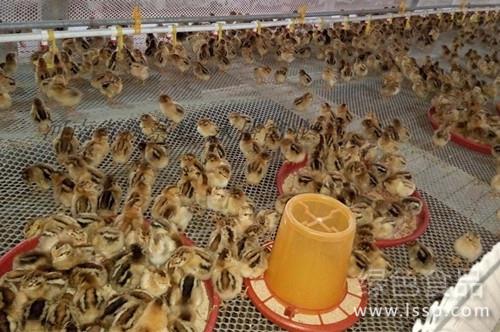
Brooding chicks
1. Symptoms of oxygen deficiency. Oxygen-deficient chicks are listless, screech, breathe with their mouths open, pant, stretch their necks and shake their heads, refuse feed and drink little, and their beaks become cyanotic and turn blue. In severe cases, the skin over the whole body becomes cyanotic, the feet turn blue, and the birds fall down and die.
2. Causes of oxygen deficiency:
1) Excessive stocking density: During the brooding stage, many chicken farmers raise the coop temperature by increasing stocking density, which causes a lack of oxygen in the coop.
2) Heating with open flames: To raise the temperature of the brooding coop, chicken farmers burn firewood, charcoal, coal, etc. inside the brooding coop. When these burn, they not only consume a large amount of oxygen but also release large amounts of harmful gases such as carbon monoxide and sulfur dioxide. In addition, the large amount of smoke produced by incomplete combustion of fuel also causes the oxygen in the coop to become less and less and harmful gases to become more and more.
3) Fermentation of droppings: When brooding in early spring, many chicken farmers worry that removing the litter and droppings will affect the temperature of the brooding coop, so they reduce the frequency of replacing the litter and droppings. This causes them to ferment under suitable conditions, producing large amounts of harmful gases while also consuming the oxygen in the coop, leading to oxygen deficiency in the brooding coop.
3. Preventive measures:
1) Expand the brooding area in good time: To keep the coop temperature stable and meet insulation requirements, a "house within a house" can be built inside the coop using plastic film. To save energy and make management easier, the brooding range should be reduced at the beginning, and then, as the chicks grow faster, the area of the "house within a house" brooding coop should be appropriately expanded. Judge air freshness by the standard that when a person enters the coop, no foul smell is detected and there is no feeling of stuffiness or oppression. In good time, open gaps at the top of the "house within a house" and near the ground so that fresh air can flow in through the gaps, thereby achieving ventilation.
2) Choose a suitable heat source: To avoid certain heat sources competing with the chicks for oxygen and also to avoid their releasing harmful gases and smoke when burning, when heating for brooding, try to avoid open-flame fuels such as firewood, coal, charcoal and rice bran, and instead use electric power or heated flue (kang) insulation.
3) On mild, sunny days with relatively high temperatures, remove the litter and droppings from the flock in good time and quickly spread fresh litter.
4) Spray oxygen-enhancing drugs: To effectively prevent oxygen deficiency in chicks, peracetic acid can be sprayed in the coop at appropriate times. This can increase oxygen, disinfect the coop, and also neutralize some harmful alkaline gases.