Rabbit diarrhea easily leads to decreased resistance; how to prevent and treat it in spring?
Diarrhea is a common disease of rabbits in spring, with high incidence and mortality rates. There are many causative factors, which can be broadly divided into two categories, namely infectious factors and non-infectious factors. Non-infectious diarrhea often leads to secondary bacterial infection due to decreased resistance of rabbits, worsening the condition.
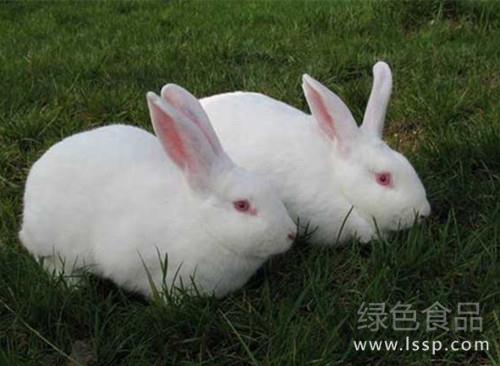
Rabbits
1. Causes of the disease:
(1) Infectious pathogenic factors: mainly caused by viruses, bacteria (such as Escherichia coli, Salmonella, Staphylococcus, Clostridium), parasites (such as coccidia, helminths), molds and other pathogens. These pathogens damage the intestinal mucosal epithelium of rabbits, causing intestinal inflammation and producing toxins, leading to enterotoxemia, causing a large amount of body fluid to seep into the intestinal cavity and causing diarrhea.
(2) Non-infectious factors: mainly due to improper feeding, such as suddenly changing forage, weaning too early, overeating just after weaning, cold and damp rabbit housing, feeding spoiled or moldy feed, eating forage with dew or frozen feed, drinking unclean water, etc.
2. Prevention and treatment methods:
First, identify the causative factors and eliminate them. Stop or reduce the amount of concentrated feed, increase the amount of high-quality hay, and administer Bacillus cereus tablets, lactasin tablets, and yeast tablets. For Bacillus cereus tablets, administer orally 0.5 g per kg of body weight per day, or 0.5—1 g per rabbit per day, to adjust the intestinal flora structure of rabbits and restore intestinal microecological balance. In the early stage of the disease, injection drugs are mainly used; use antibacterial drugs with caution, and do not administer antibiotic drugs orally. When diarrhea is severe, timely fluid replacement is necessary; it is best to use 5—10% glucose saline for intravenous injection, with an additional 40—50 mL of vitamin C per rabbit. For severe dehydration, 30—50 mL of 5% glucose saline solution can be injected subcutaneously. During the recovery period of sick rabbits, administer stomachic drugs (per rabbit, mix and administer orally 0.5 g of artificial salt, 0.5 g of gentian powder, 0.3 g of baking soda, and 1—2 yeast tablets). Rabbit diarrhea is mostly caused by feed factors, so feed quality must be ensured. Green grass must be fresh and clean, and concentrated feed must not be moldy or spoiled. Do not let rabbits go too hungry or too full, and do not feed water-soaked forage or frozen feed. Do a good job of environmental disinfection and regularly deworm. Regularly adding trace elements (such as copper) to feed is also beneficial for preventing rabbit diarrhea.