Common causes of and targeted prevention and treatment methods for nursing mother rabbits eating their young
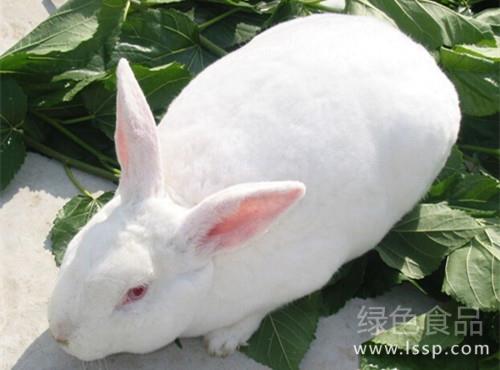
Rabbits
1. Lack of water. After a mother rabbit gives birth, due to the loss of fetal fluids and the expulsion of the fetuses, she feels empty in the belly and thirsty in the mouth, and after kindling she jumps out of the nest box to look for water to drink; if there is no water to drink, she may eat her young. Countermeasure: Before and after the mother rabbit gives birth, she should be provided with sufficient clean drinking water and fresh, succulent feed.
2. Fright. During kindling or after birth, sudden noise or the wild crying and intrusion of animals causes the mother rabbit to become frightened and jump around in the nest box, trampling or eating the young rabbits. Countermeasure: Keep the surrounding environment quiet and prevent cats, dogs and other animals from intruding.
3. Eating-young habit. After kindling, the mother rabbit eats dead or weak young as if they were the placenta, and thereafter forms the habit of eating her young. Countermeasure: At kindling, provide manual supervision or induced delivery. After kindling, place the nest box in a safe place and feed the young at fixed times each day.
4. Lack of milk after birth. When there is not enough milk to eat, the young rabbits fight each other for teats and may even bite the mother rabbit, and because of the pain the mother rabbit refuses to nurse or bites and eats the young rabbits. Countermeasure: Strengthen the mother rabbit's nutrition and feed more succulent feed. When there are too many young, some or all of the young rabbits can be fostered.
5. Irritation from foreign odors. If the nest box or bedding has an unusual smell, the mother rabbit becomes suspicious and mistakenly eats the young rabbits. Countermeasure: About 4 days before the mother rabbit gives birth, wash and disinfect the nest box, dry it in the sun, then spread clean bedding straw and place it in an appropriate position in the rabbit house. In addition, after the mother rabbit gives birth, do not touch the young rabbits with hands or tools that carry unusual odors.
6. Improper fostering. If fostering is done too late or the odors of the two litters do not match, the foster mother rabbit recognizes them and bites them to death or eats them. Countermeasure: The fostering time for young rabbits should preferably not exceed 3 days; after placing the fostered young in the nest box, wait 1 hour before nursing, or apply essential balm, toothpaste, etc. to the mother rabbit's nose so that she cannot distinguish the scent.
7. Incomplete feed nutrition. The feed lacks vitamins and minerals. Countermeasure: Give the mother rabbit a nutritionally complete plastic feed rich in protein, minerals and vitamins, and often provide green, succulent feed.