Traditional Chinese medicine treatment for infectious bursal disease in chickens with reduced feed intake, increased water intake and dehydration
Infectious bursal disease in chickens, also known as infectious cloacal bursa disease in chickens, is an acute and highly contagious disease caused by infectious bursal disease virus. The disease has a sudden onset, a short course and a high mortality rate, and it can suppress the chicken's immunity. It is characterized by inflammation, atrophy and necrosis of the bursa of Fabricius and severe damage to lymphocytes in the bursa of Fabricius, thereby causing immune dysfunction in chickens and interfering with the immune effect of vaccines. The incidence rate is high, reaching almost 100%, while the mortality rate is low, generally 5%-15%.
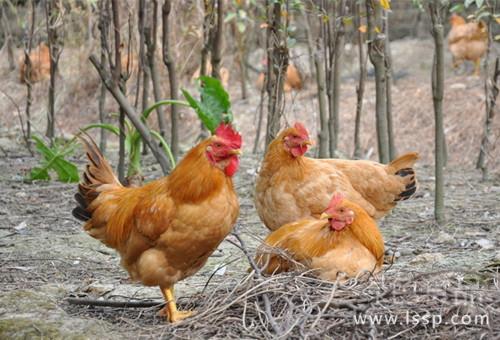
Chickens
Symptoms:
A flock of chicks suddenly develops the disease in large numbers, and within 2-3 days 60%-70% of the chickens are affected. Three to four days after onset, deaths peak, and after 7-8 days deaths stop. At the beginning of the disease, the chickens are depressed, with reduced feed intake and increased water intake; some peck at their own vents and pass white watery diarrhea. In severe cases, they become dehydrated, lie on the ground unable to stand, are extremely weak, and finally die. Chicks that do not die are anemic and emaciated and grow slowly.
Necropsy changes:
The bursa of Fabricius shows yellow gelatinous edema, is hard in texture, and its mucosa is covered with cream-colored fibrinous exudate. Sometimes the mucosa of the bursa of Fabricius is severely inflamed, with hemorrhage, necrosis and atrophy. In addition, dead chickens show dehydration, and the muscles of the legs and chest often hemorrhage and are dark red in color. The kidneys are swollen, and the renal tubules and ureters are filled with white urates. The spleen and the mucosa at the junction of the proventriculus and gizzard hemorrhage.
Treatment methods:
Prescription one: dandelion 200 grams, Isatis leaf 200 grams, Isatis root 200 grams, honeysuckle 100 grams, Scutellaria baicalensis 100 grams, Phellodendron amurense 100 grams, licorice 100 grams, Agastache rugosa 50 grams, raw gypsum 50 grams. Decoct twice in water, combine the medicinal liquid to obtain 3000-5000 milliliters, which is the daily dosage for 300-500 chickens, one dose per day, 5-10 milliliters per chicken per day, administered orally in 4 divided doses. Use continuously for 3-4 days.
Prescription two: honeysuckle 100 grams, Isatis root 50 grams, Phellodendron amurense 50 grams, Isatis leaf 40 grams, Scutellaria baicalensis 20 grams, white peony root 20 grams, Agastache rugosa 15 grams, Sanguisorba officinalis 15 grams, rhubarb 15 grams, licorice 15 grams. Decoct in water for drinking for 2-3 days, with a cure rate of 97.6%.
To improve the treatment effect, special management should be provided while using the above treatment methods. Do a good job in hygiene and disinfection to prevent bringing the disease in from outside. Once this disease occurs, promptly handle the sick chickens and carry out thorough disinfection.