What is pine needle soil and how is it made?
What is pine needle soil? How is pine needle soil made? We ask knowledgeable netizens to help explain. When growing rubber plants, palms, orchids, spider plants, various climbing plants, Serissa japonica, jasmine, camellias, pomegranates, amaryllis and other flowers, pine needle soil is always used, but what is pine needle soil? What are the characteristics of pine needle soil? And...
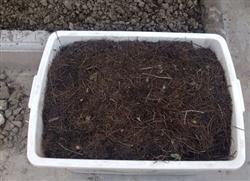 What is pine needle soil? How is pine needle soil made? We ask knowledgeable netizens to help explain.
When growing rubber plants, palms, orchids, spider plants, various climbing plants, Serissa japonica, jasmine, camellias, pomegranates, amaryllis and other flowers, pine needle soil is always used, but what is pine needle soil? What are the characteristics of pine needle soil? And how is pine needle soil made? Many netizens do not really understand this, so Zhongdi Network has compiled the answers to the above questions, and they are listed in detail below for netizens' reference.
Characteristics of pine needle soil:
Pine needle soil generally refers to black pine needles that have naturally fallen and mixed with the soil on the ground. After accumulating continuously over a long time and being leached by rainwater, they ferment and turn black when the temperature rises. At this point the nutrients in the pine needles are fully decomposed, and this is what people call pine needle soil.
Pine needle soil has the effects of heat insulation, moisture retention, soil building and reducing weed growth. Among them, pine needle soil from fine needles is formed by the accumulation and fermentation of slender fallen leaves. This leaf mold contains more humus, is light in weight, has very good permeability, strong water infiltration, and contains a large amount of organic matter, and has a certain effect against insects and diseases such as termites, and it is acidic or weakly acidic (needle leaf mold soil is acidic), so it is widely used as soil for flower cultivation.
How to make pine needle soil:
Method one,In the pine forests of mountainous areas, especially under some primeval pine forests, there is often a layer of pine needle soil formed by the weathering of dead branches and fallen leaves of pine trees, which can be taken and used directly. Note: when digging pine needle soil, remove the unrotted pine needles on the surface, and dig out the light yellow or pale yellowish-brown leaf mold below. Soft and with a special fermented smell is leaf mold. The leaf mold is only a thin layer, and below that is original soil, which cannot be used.
Method two, Collect pine needles and a small amount of soil from under pine trees, put the pine needles and soil in a large plastic bag, water them to keep them moist, seal the plastic bag and place it in a warmer place to ferment. In summer, two or three months of fermentation is enough; if fermenting in autumn and winter, the time must be extended further; because if you brush aside the surface layer of pine needles under a pine tree and take out the soil, if it is not fully fermented it is not good for flower growth, so it is recommended to cover it with a plastic bag and let it ferment fully.
Methods for measuring soil pH
Soil improvement plans