What precautions should be taken when applying chlorine-containing fertilizers?
Which crops like chlorine? Which crops are sensitive to chlorine? What should be avoided when applying chlorine-containing fertilizers? The following simple introduction from Gengzhongbang Planting Network is for netizens' reference. Chlorine-containing fertilizers are currently a type of fertilizer with relatively large production and application amounts, and using this type of fertilizer well is of great significance to agricultural production. Various cro...
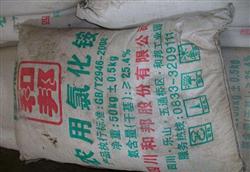 Which crops like chlorine? Which crops are sensitive to chlorine? What should be avoided when applying chlorine-containing fertilizers? The following simple introduction from Gengzhongbang Planting Network is for netizens' reference.
Chlorine-containing fertilizers are currently a type of fertilizer with relatively large production and application amounts, and using this type of fertilizer well is of great significance to agricultural production. Various crops have different degrees of sensitivity to chlorine. Some plants are very sensitive to chloride ions; when their absorption reaches a certain level, it will obviously affect yield and quality, and these plants are usually called chlorine-sensitive plants. When there are more chloride ions, it is not conducive to the conversion of sugar into starch, and the starch content of root and tuber crops will decrease; chloride ions can promote the hydrolysis of carbohydrates, and watermelon, sugar beet and grapes will have lower sugar content; more chloride ions will affect the combustibility of tobacco, and cigarettes are prone to going out; when there are more chloride ions, it often harms the seedlings of sensitive crops. Tobacco, potato, sweet potato, sugarcane, watermelon, grape, citrus, sugar beet, apple, tea, Chinese cabbage, chili pepper, lettuce, amaranth and so on are all chlorine-sensitive crops. Chlorine has an adverse effect on Solanaceae crops. Soybean and green bean have relatively weak chlorine resistance.
For chlorine-sensitive crops, such as tobacco, sweet potato, potato, Chinese cabbage, chili pepper, lettuce, amaranth, apple, grape, tea, watermelon and so on, when applying chlorine-containing fertilizers such as ammonium chloride and potassium chloride, the quality of the product is often affected. For example, too much chlorine will reduce the combustibility of tobacco and give it a bad smell; the starch content of tuber crops will decrease and the quality will be poor; it will reduce the sugar content of fruit and make the acidity relatively high, making the flavor of the fruit poor, etc. Therefore, for chlorine-sensitive crops, when choosing fertilizers, try to choose sulfur-containing fertilizers.
On the contrary, for crops that are not sensitive to chlorine, such as rice, sorghum, millet, cotton, corn, wheat, peanut, soybean, tomato and so on, when applying chlorine-containing fertilizers, not only can the cost of purchasing fertilizer be saved, but the application effect on some crops is even better. For example, for fiber crops such as cotton and hemp, applying potassium chloride is beneficial for increasing their fiber length and toughness; in rice fields, applying chlorine-containing fertilizers often has better effects than sulfur-containing fertilizers, because it can reduce the damage of hydrogen sulfide to rice roots.
The above is the introduction from Gengzhongbang Planting Network on the precautions for applying chlorine-containing fertilizers. If you have better additions, please leave a message below to tell us.