What are the composting methods for chicken manure and pig manure?
How should livestock and poultry manure be treated before it can be applied? How many days does chicken manure need to be piled and composted? How many days does pig manure need to be piled and composted before it can be applied? Below, Zhongdiwang gives a brief introduction for netizens' reference. 1. Chicken manure The nitrogen in fresh chicken manure is mainly in the form of urates, and this type of salt is not easily absorbed and utilized directly by crops, and it is also harmful to the growth of crop roots...
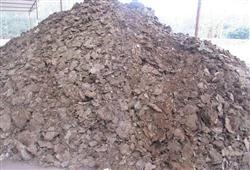 How should livestock and poultry manure be treated before it can be applied? How many days does chicken manure need to be piled and composted? How many days does pig manure need to be piled and composted before it can be applied? Below, Zhongdiwang gives a brief introduction for netizens' reference.
1. Chicken manure
The nitrogen in fresh chicken manure is mainly in the form of urates, and this type of salt is not easily absorbed and utilized directly by crops, and it is also harmful to the growth of crop roots. Therefore, this type of manure should be piled, fermented and decomposed before application. Chicken manure ferments at a high temperature and easily damages young plant roots. Fresh manure is generally not suitable for direct application; it needs to be added to sewage or mixed and piled with other organic fertilizers as compost, and can only be applied after being fully decomposed through piling. In particular, because the additives in chicken feed contain a very high proportion of hormone components, they should be treated by piling to remove hormones; at the same time, chicken manure and urine are likely to carry roundworm eggs, so they also need to be piled for about 40 days to kill them. Therefore, it is recommended that poultry manure be piled at room temperature for 60 days, after which it can be safely used for pollution-free vegetable production, but in winter, due to low temperatures, the piling and composting time should be extended by 2 months compared with summer and autumn.
In addition, when applying chicken manure, it should be thoroughly mixed with soil and should not be applied too thickly, so as to avoid root damage; chicken manure should be applied evenly, and only in this way can the plants grow uniformly and be easy to manage; when transplanting, the roots must never come into direct contact with chicken manure, and when the soil from the drainage ditch is banked up on the bed, it is best to have a 10~20 cm isolation layer.
2. Pig manure
Because pig manure also contains roundworm eggs, and it takes about 50 days to kill them; the hormone components in its additives are also very high, and it also needs to be treated by piling to remove hormones. Cow manure needs more than 20 days of piling and composting. Therefore, it is recommended that farmers pile livestock manure at room temperature for 60 days before application, after which it can be safely used for pollution-free vegetable production, but in winter, due to low temperatures, the piling and composting time should be extended by 2 months compared with summer and autumn.
The above is Zhongdiwang's introduction to the composting methods for chicken manure and pig manure. If you have better supplements, please leave a comment below to tell us.