What types of calcium fertilizers are there? Introduction to common types of calcium fertilizers
How many common types of calcium fertilizer are there? What are the characteristics of calcium fertilizers? What are the properties of common calcium fertilizers? Below, the Gengzhongbang Planting Network gives a brief introduction for netizens' reference. 1. Lime Lime is the most important calcium fertilizer, including three types: quicklime, slaked lime, and carbonate lime. Lime is strongly alkaline. In addition to supplementing crop calcium nutrition, it can regulate the soil acidity level of acidic soil, improve soil structure, promote the activity of beneficial soil microorganisms, and accelerate the decomposition of organic matter and the release of nutrients. Lime can reduce the fixation of phosphorus by iron and aluminum ions in the soil and improve the availability of phosphorus. Lime can also kill pathogens and insect eggs in the soil and eliminate weeds.
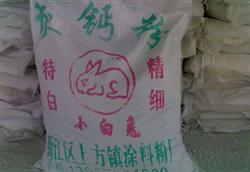 How many common types of calcium fertilizer are there? What are the characteristics of calcium fertilizers? What are the properties of common calcium fertilizers? Below, the Gengzhongbang Planting Network gives a brief introduction for netizens' reference.
1. Lime
Lime is the most important calcium fertilizer, including three types: quicklime, slaked lime, and carbonate lime. Lime is strongly alkaline. In addition to supplementing crop calcium nutrition, it can regulate the soil acidity level of acidic soil, improve soil structure, promote the activity of beneficial soil microorganisms, and accelerate the decomposition of organic matter and the release of nutrients. Lime can reduce the fixation of phosphorus by iron and aluminum ions in the soil and improve the availability of phosphorus. Lime can also kill pathogens and insect eggs in the soil and eliminate weeds.
1. Quicklime: also called burnt lime, its main component is calcium oxide, and its chemical formula is CaO. It is usually made by burning limestone and contains 90%-96% calcium oxide. If it is made by burning dolomite, it is called magnesian lime. In addition to containing 55%-85% calcium oxide, it also contains 10%-40% magnesium oxide, and has the effect of a magnesium fertilizer as well. Shellfish contain a large amount of calcium carbonate and are also a raw material for making lime. What coastal areas call shell ash is made by burning shellfish. Its calcium oxide content is 85%-95% for snail shell ash and about 47% for mussel shell ash. Quicklime has a very strong ability to neutralize soil acidity and can quickly correct soil acidity. In addition, it also has the effects of killing insects, eliminating weeds, and disinfecting.
2. Slaked lime: also called hydrated lime, its main component is calcium hydroxide, and its chemical formula is Ca(OH)2. It is formed from quicklime by moisture absorption or treatment with added water, during which a large amount of heat is released. Slaked lime also has a very strong ability to neutralize soil acidity. Its content varies depending on the type of raw material and can be estimated from the calcium oxide content in quicklime.
3. Carbonate lime: its main component is calcium carbonate, and its chemical formula is CaCO3. It is made by grinding limestone, dolomite, or shellfish into fine powder. Its solubility is low, and its ability to neutralize soil acidity is milder and more lasting.
2. Gypsum
Agricultural gypsum includes three types: raw gypsum, calcined gypsum, and phosphogypsum. Calcium sulfate has very low solubility, and its aqueous solution is neutral, so it is a physiologically acidic fertilizer. It is mainly used in alkaline soil to eliminate soil alkalinity, improve the soil, and provide crops with calcium and sulfur nutrition.
1. Raw gypsum: namely ordinary gypsum, commonly known as white gypsum, its main component is CaSO4·2H2O, and its calcium (Ca) content is about 23%. It is made by directly crushing gypsum ore. It is powdery and slightly soluble in water. Fine particles are conducive to dissolution, and its sulfur supply capacity and soil improvement effect are also relatively high. Usually, a 60-mesh sieve opening is suitable. In addition to calcium, it also contains 18.6% sulfur (S).
2. Calcined gypsum: also called alabaster, its main component is CaSO4·1/2H2O, and its calcium (Ca) content is about 25.8%. It is made by heating raw gypsum to dehydrate it. It is highly hygroscopic, and after absorbing water it turns back into raw gypsum, its physical properties deteriorate, and it is inconvenient to apply, so it should be stored in a dry place. In addition to calcium, it also contains 20.7% sulfur (S).
3. Phosphogypsum: its main component is CaSO4·2H2O, accounting for about 64%, of which the calcium (Ca) content is about 14.9%. Phosphogypsum is the residue after sulfuric acid decomposes phosphate rock to produce phosphoric acid, and is a by-product of ammonium phosphate production. Its composition varies by place of origin. It generally contains 11.9% sulfur (S) and about 2% phosphorus pentoxide.
3. Other calcium-containing fertilizers
In addition to the above lime fertilizers, calcium nitrate and calcium chloride are soluble in water and are mostly used as foliar topdressing. Together with calcium sulfate (gypsum), calcium hydrogen phosphate, and others, they are also often used as calcium sources in nutrient solutions. In addition, many phosphate fertilizers (such as superphosphate, phosphate rock powder, precipitated calcium phosphate, calcium magnesium phosphate fertilizer, steel slag phosphate fertilizer, etc.) are also important sources of calcium fertilizer.
Calcium nitrate, calcium chloride, and calcium hydroxide can be used for foliar spraying. The concentration varies depending on the fertilizer and crop. For fruit trees and vegetables, the spraying concentration of calcium nitrate is 0.5%-1%, and calcium chloride is generally 0.3%-0.5% (Chinese cabbage sometimes uses 0.7%).
The above is the Gengzhongbang Planting Network's introduction to common calcium fertilizer varieties and characteristics. If you have better additions, please leave a comment below to tell us.