What's the difference between a pineapple and a "fenli"? Turns out fenli doesn't need to be soaked in salt water
Do you know how a pineapple differs from a fenli? These two fruits are not the same; these two fruits, which could be called "cousins," can both bring us health. But they are so similar, so where is the difference? Does fenli need to be soaked in salt water? Some people say it doesn't, but why not?
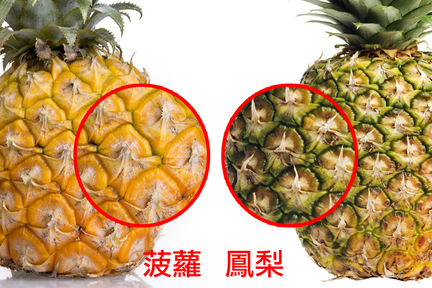
What's the difference between a pineapple and a fenli:
In terms of appearance: the pineapple's surface pricks your hand and its leaves have teeth; the fenli's surface doesn't prick your hand and its leaves don't have teeth.
Different leaf edges: pineapple leaves are covered with a white bloom and have serrated edges; fenli leaves have smooth edges with no serrations.
Different skin grooves: the pineapple's grooves are orange-red with a slightly rough texture; the fenli's grooves are dark green with a clearer texture.
Different flesh fibers: the pineapple's "eyes" are relatively deep and need to be dug out, and its taste is on the sour side; the fenli's "eyes" are relatively shallow and its fruit flavor is on the sweet side.
In addition, fenli can be eaten directly without soaking in salt water; pineapple, however, needs to be soaked in salt water before eating, because pineapple contains a large amount of organic acids and bromelain, and only after soaking in salt water can the bromelain be deactivated. Fenli contains very little of this substance, so it doesn't need it.