How to prevent and treat piroplasmosis in Small-tailed Han sheep causing rapid breathing, anemia, tendency to lie down, and weak rumination
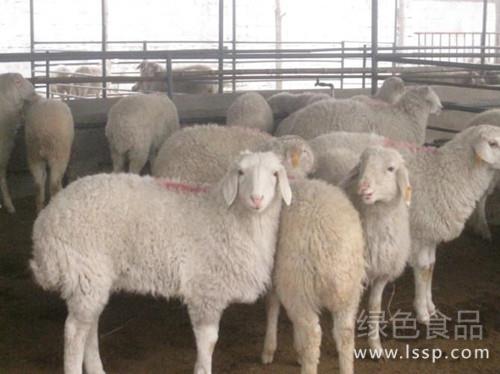
Sheep
Symptoms: The sick sheep is depressed, with reduced or absent appetite, and body temperature rising to 40-42°C, showing a continuous fever pattern. Breathing is rapid and labored, and the sheep tends to lie down. Rumination and gastrointestinal motility are weakened or stopped. Constipation occurs in the early stage, followed by diarrhea in the later stage, with blood streaks in the feces. The sheep's urine is turbid or bloody. The visible mucous membranes are congested, some have eye discharge, and then anemia and mild jaundice appear. In the middle and late stages, the sick sheep has severe anemia, thin blood, and pale conjunctiva. The prescapular lymph nodes are enlarged, and some sheep develop edema under the neck, on the chest, under the abdomen, and on the limbs.
Treatment: (1) Antipyretic therapy: For cases with high fever, antipyretic drugs such as analgin, compound aminopyrine, and bupleurum injection can be used.
(2) Antibacterial and anti-inflammatory therapy. This disease is prone to secondary infection during its course, so antibiotics should be used appropriately, such as penicillin, streptomycin, lincomycin, norfloxacin, metronidazole, etc.
(3) Cardiac stimulation and fluid supplementation. For those with heart weakness, cardiotonic drugs such as caffeine sodium benzoate and sodium camphorsulfonate can be used to increase myocardial excitability, and at the same time energy-supplementing cardiotonic agents such as glucose, dextran, and adenosine triphosphate can be used.
(4) Stomach-invigorating and intestinal-regulating therapy. For those with reduced appetite and weakened rumination, stomachic drugs such as garlic tincture, dilute hydrochloric acid, pepsin, and lactasin can be used to improve gastrointestinal function and promote appetite. Plant nerve stimulants such as pilocarpine and neostigmine can also be used.
(5) Correct anemia. Vitamin B12, vitamin C, vitamin E, hematinic, etc., can be used.
(6) When there is a bleeding tendency or accompanying edema of the chest, abdomen, and lower limbs, etamsylate, vitamin K3, calcium chloride, or calcium gluconate injection can be used.
Prevention: (1) In autumn and winter, sheep pen sanitation should be well maintained to eliminate overwintering hard tick larvae; when brushing sheep bodies in spring, attention should be paid to observing and catching ticks. Sheep bodies can be sprayed with trichlorfon.
(2) Strengthen quarantine and do not introduce sheep from epidemic areas. Newly introduced sheep must be isolated and observed, and quarantine control must be strictly enforced.
(3) In epidemic areas, before the onset season, inject sheep once every 15 days with diminazene aceturate for prevention, prepared as a 7% aqueous solution at 2 mg/kg body weight for intramuscular injection.