How to prevent cold stress in broiler chickens in early spring? Chickens break down fat to resist the cold when they get cold
In early spring, the weather changes greatly, and broiler chickens are susceptible to cold air and become ill. Farmers need to do a good job of protecting broiler chickens from cold stress to prevent the flock from getting sick in large numbers. When chickens get cold, they huddle together and resist the cold by breaking down body fat to produce a large amount of heat, or they increase their feed intake to regulate themselves. This not only consumes their physical condition but also reduces feed conversion efficiency. Therefore, doing a good job of cold protection and insulation in the chicken house in early spring is the top priority. Specifically:
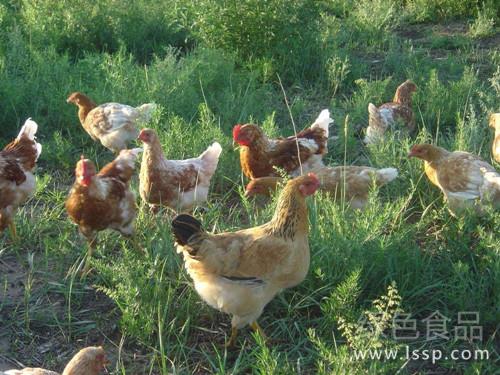
Broiler chickens
1. Increase the insulation layer of the chicken house.
If frost forms on the roof and north wall of the chicken house, a suspended ceiling insulation layer should be added, using felt paper or plastic sheeting to add a thermal insulation layer, and the north windows should be tightly sealed. A windbreak barrier can also be set up at an appropriate distance from the chicken house in the main wind direction to ease the invading cold wind. The most suitable temperature for egg production in the chicken house is 18~23°C, and the ideal temperature is 21°C. If it is below 13°C, egg production of breeding chickens declines; if it is below 12°C, the growth and development of broiler chickens is hindered. When the temperature is low, the fan speed can be reduced to lower the air exchange rate.
2. Pay attention to ventilation.
In early spring, to keep warm, windows and doors are often closed and everything is sealed tightly, causing the air in the house to become foul, humidity to increase, and litter to become damp; ammonia, hydrogen sulfide, carbon dioxide, methane, skatole, and other substances multiply; and dust and microorganisms exceed standards. In mild cases, this is harmful to chicken feather growth and feet; in severe cases, respiratory diseases, ascites in broiler chicks, and other conditions occur. Therefore, in early spring, the chicken house should maintain a certain airflow speed (0.1~0.2 m/s), so that the ammonia concentration in the chicken house does not exceed 200 mg/kg, hydrogen sulfide does not exceed 10 mg/kg, and carbon dioxide does not exceed 0.5%, meeting chicken house hygiene standards.
3. Adjust the feeding amount in a timely manner according to temperature.
For flocks in the same condition, energy requirements differ under different house temperatures. In early spring, broiler breeder chickens can consume 150~170 g of feed per day, raising the feed's thermal energy to 12.1~12.3 megajoules, which can meet low-temperature thermal energy needs. If a cold wave occurs and the temperature drops suddenly, broiler chickens themselves cannot adjust their feed intake all at once, which will cause a very large stress response. Therefore, pay attention to weather forecasts at all times. One to two days before a cold wave arrives, add 10~20 g of feed per broiler chicken, lasting 3~5 days, so that the chickens can obtain an additional 112.86—142.12 kilojoules of heat to maintain body temperature and egg production levels. For every 3°C drop in temperature, about 5 g of feed should be added. After the cold wave passes and the temperature rises again, restore the original feed amount. At the same time, special attention should be paid to the quantity and quality of various amino acids. Increase the proportion of high-energy feed in the feed and appropriately reduce the protein content.