Spring sheep overexcitement, convulsions and teeth grinding: beware of hypomagnesemia
In spring, as green grass sprouts, sheep flocks gradually shift from barn feeding to grazing, and the amount of green grass the flock eats also increases. If a sheep farm does not control the green grass intake of the flock during the transition period, the flock may gorge on green grass for a time. Because green grass (especially grasses of the Poaceae family) is low in magnesium and high in potassium, and potassium and magnesium are in a state of competitive absorption in the sheep's body, this can easily lead to secondary hypomagnesemia in some sheep (especially lactating ewes).
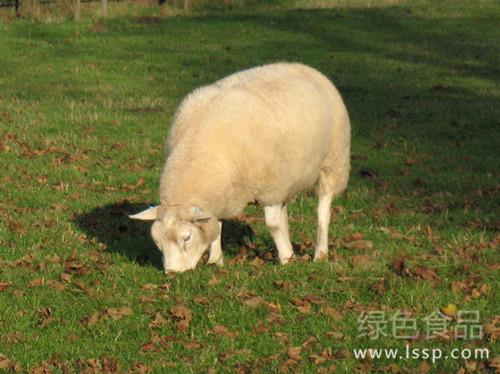
Sheep
If a sheep suddenly shows uncoordinated movement, overexcitement, muscle twitching and teeth grinding, especially in lactating ewes, where the onset is even more severe, hypomagnesemia can be suspected. If blood tests are also performed on the affected sheep and the magnesium and calcium levels in the blood are reduced, this further helps with diagnosis. If hypomagnesemia in affected sheep is not treated in time, the affected sheep will rapidly collapse, go into spasms, foam at the mouth, become comatose and die.
The key to preventing hypomagnesemia during the spring transition period when sheep flocks shift from barn feeding to grazing lies in prevention. For sheep farms with a history of hypomagnesemia, regular preventive work should be done when the flock shifts from barn feeding to grazing in spring. In the concentrate feed supplemented to the flock, 8 grams of magnesite ore powder per sheep per day can be added, or 7 grams of magnesium oxide per sheep per day (equivalent to 4.22 grams of magnesium) can be fed. Once the flock begins magnesium supplementation, an obvious protective effect can be produced.
When sheep raisers supplement magnesium preparations to the flock, it should be noted that because the sheep's body still has no obvious effective mechanism for maintaining magnesium balance and lacks the ability to mobilize large magnesium reserves, maintaining the fine balance of serum magnesium in the sheep's body depends to a large extent on the daily intake of magnesium preparations in the feed. Once magnesium preparations are stopped, when the sheep's intake of magnesium preparations decreases significantly, or the utilization rate of ingested magnesium decreases, the protective effect will be interrupted immediately, and hypomagnesemia in sheep is very likely to occur. Therefore, for sheep farms with a history of hypomagnesemia, supplementation of magnesium preparations to the flock should begin during the transition period from barn feeding to grazing, and magnesium preparations should consistently be added to the concentrate feed supplemented to the flock to achieve the effect of preventing hypomagnesemia in sheep.
At the same time, sheep farms and households should pay attention to improving the magnesium content in the vegetation of the flock's grazing land. On the grassland of the flock's grazing area, 14 [units] of magnesite ore powder can be sprayed per hectare, or magnesium oxide can be added to the fertilizer applied to the grassland, both of which can achieve the effect of preventing hypomagnesemia in sheep.
For affected sheep that have already developed hypomagnesemia, treatment measures should be taken promptly: 40 to 60 milliliters of 20% magnesium sulfate solution can be injected subcutaneously at multiple points in the affected sheep at one time, which can rapidly raise the blood magnesium concentration of the affected sheep. Alternatively, 80 milliliters of a mixture of 25% calcium borogluconate and 5% magnesium hypophosphite (1:1) can be slowly injected intravenously into the affected sheep at one time, with good therapeutic results.